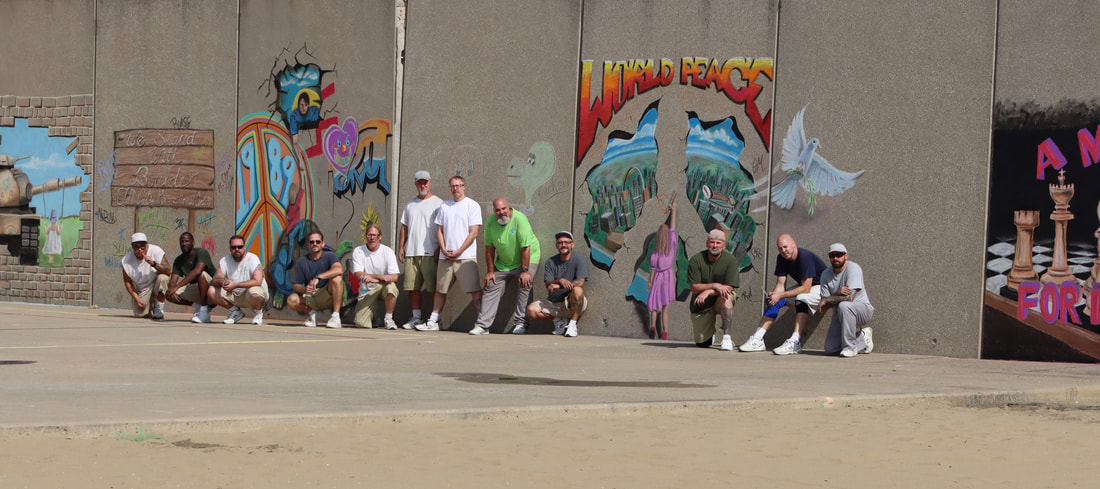
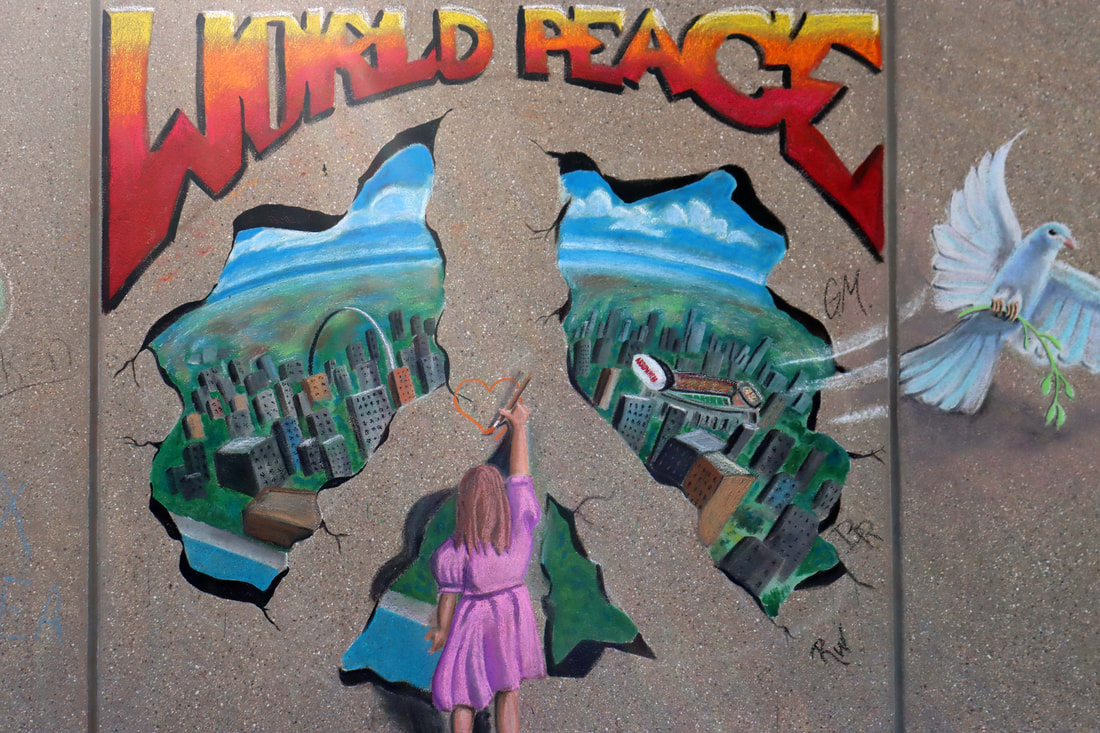
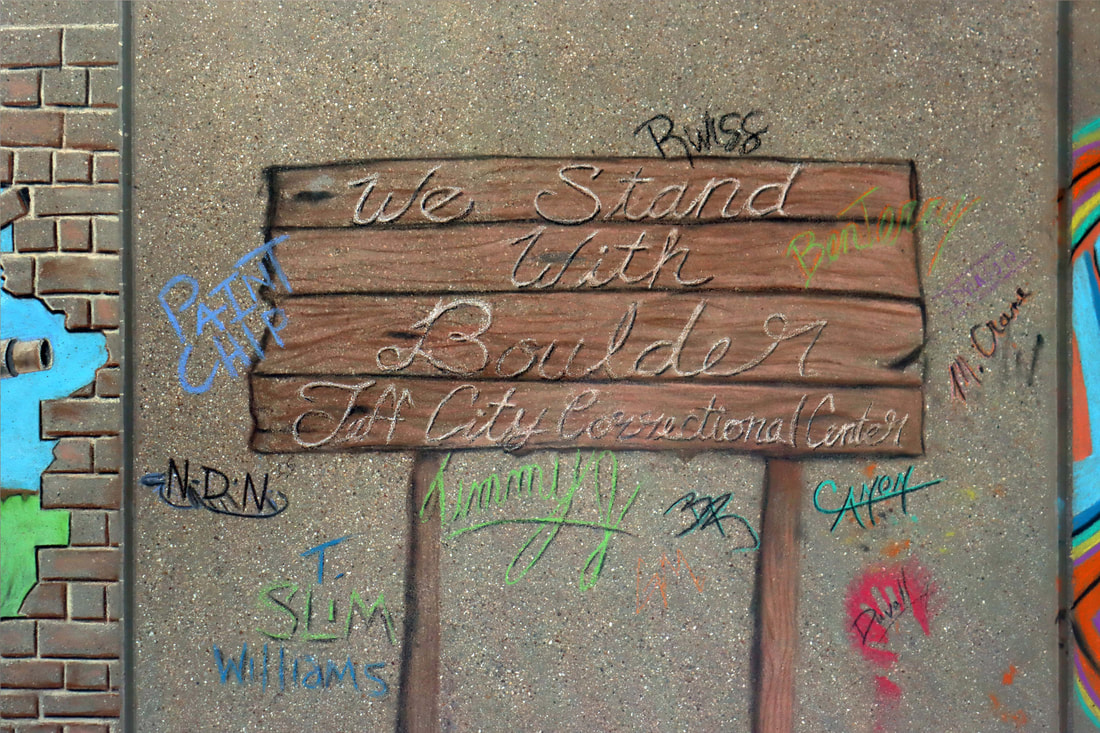
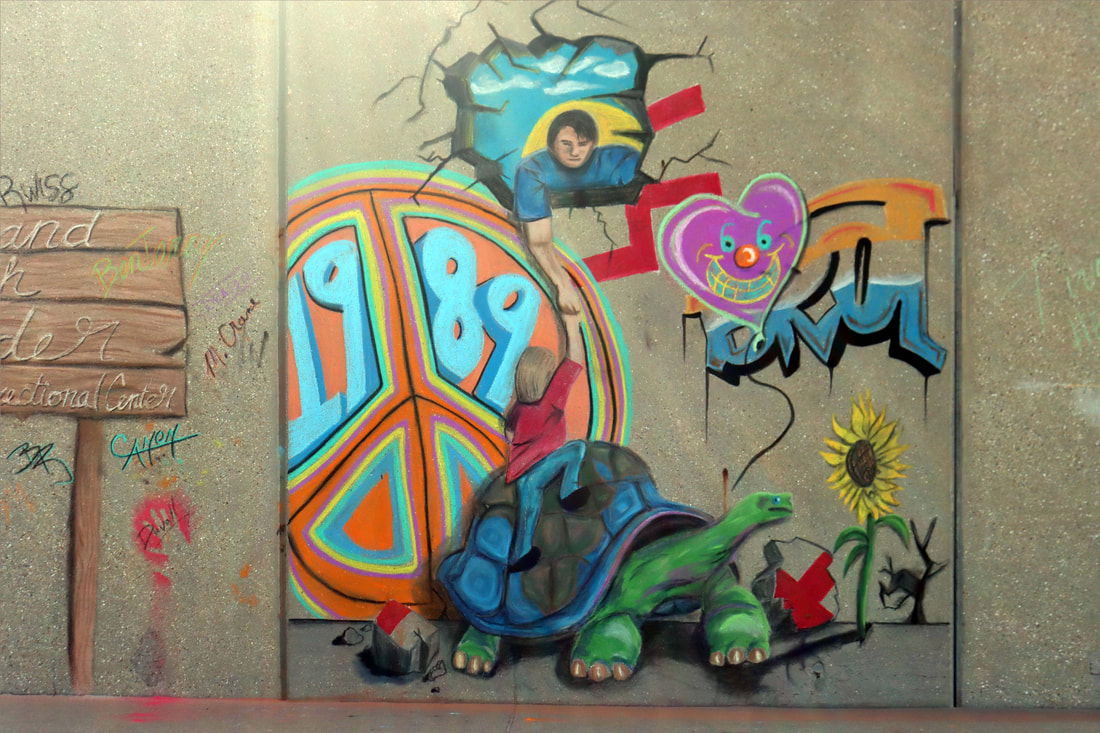
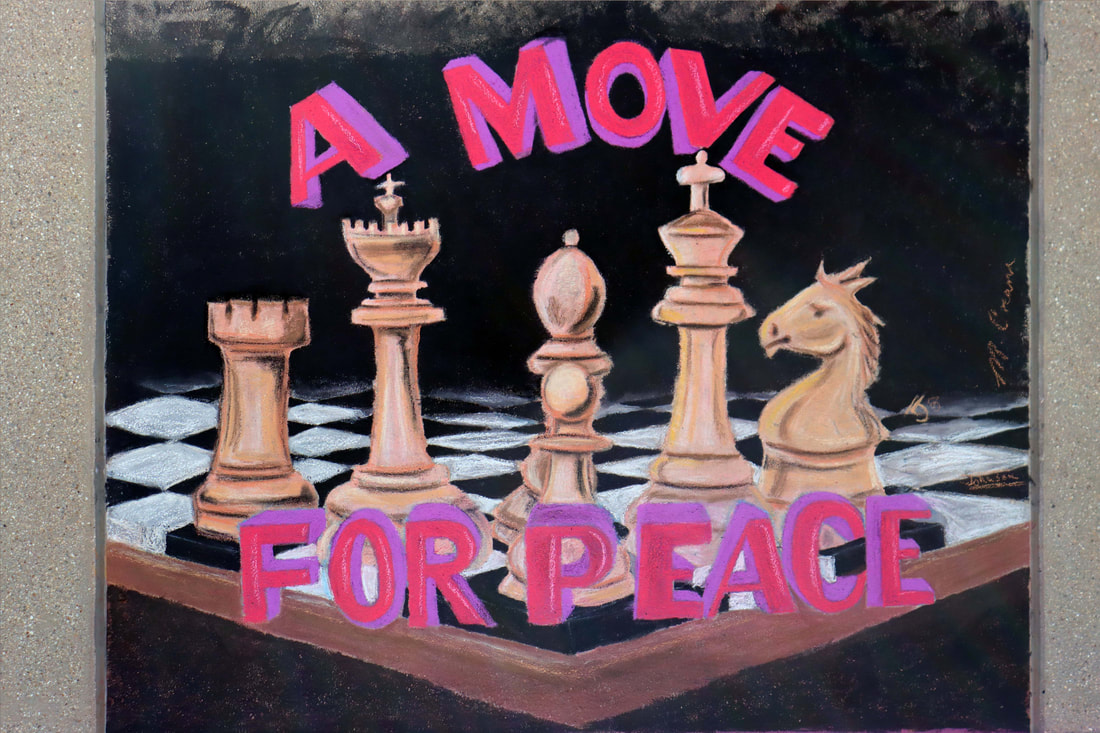
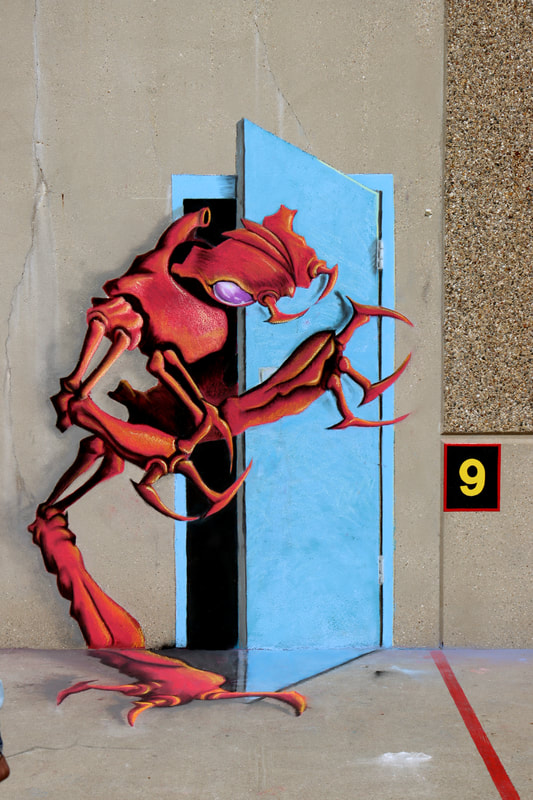
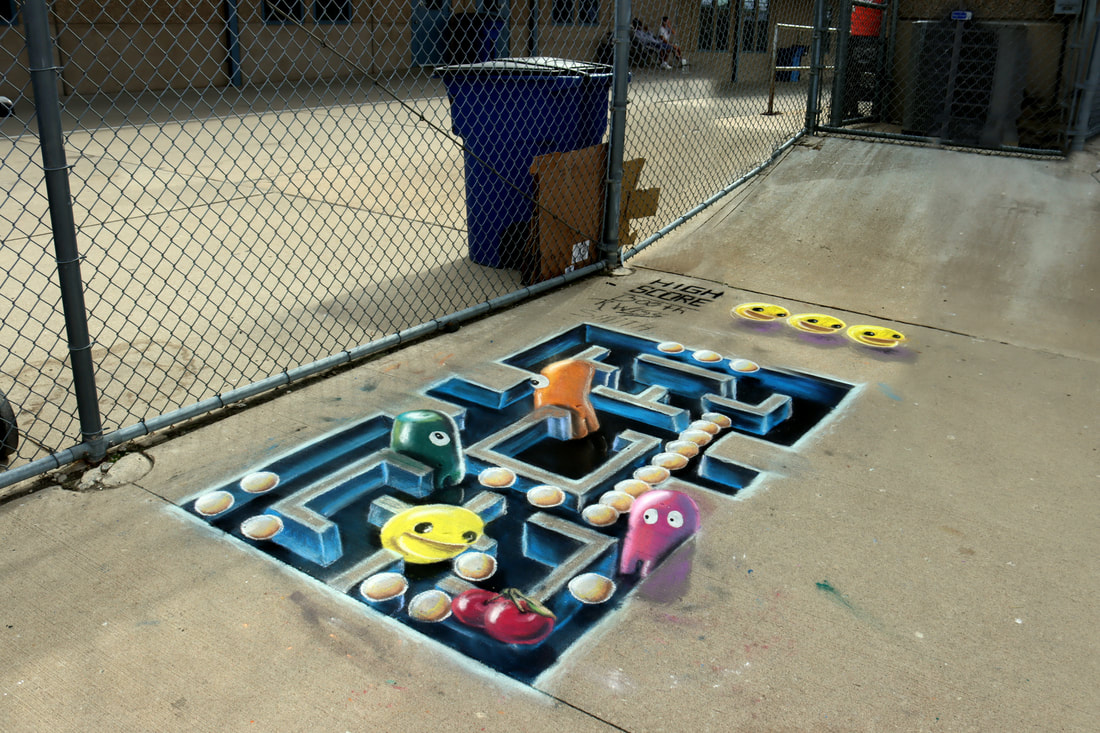
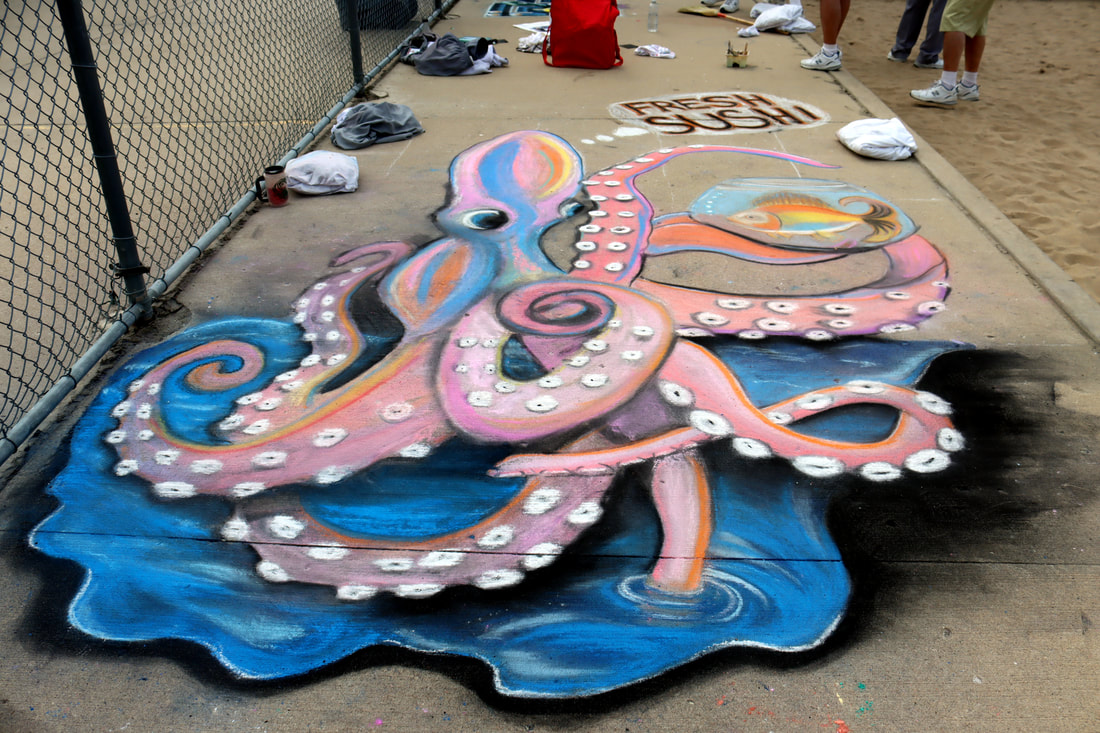
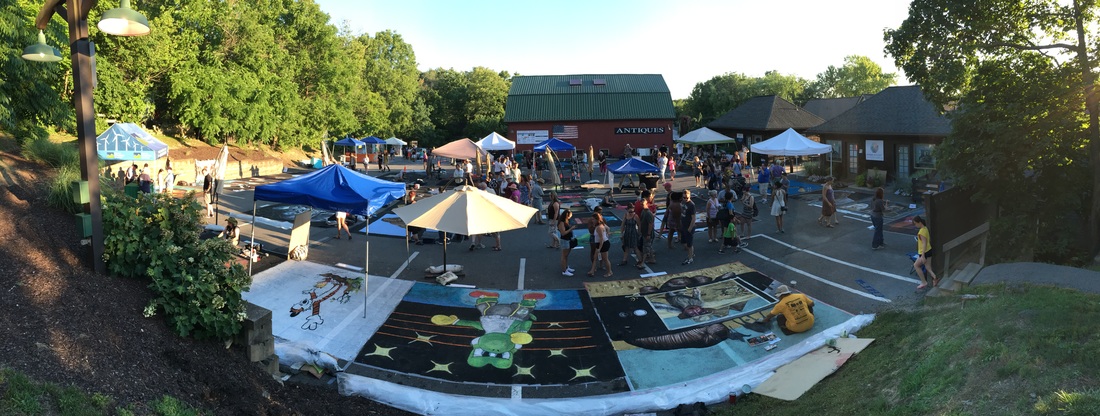
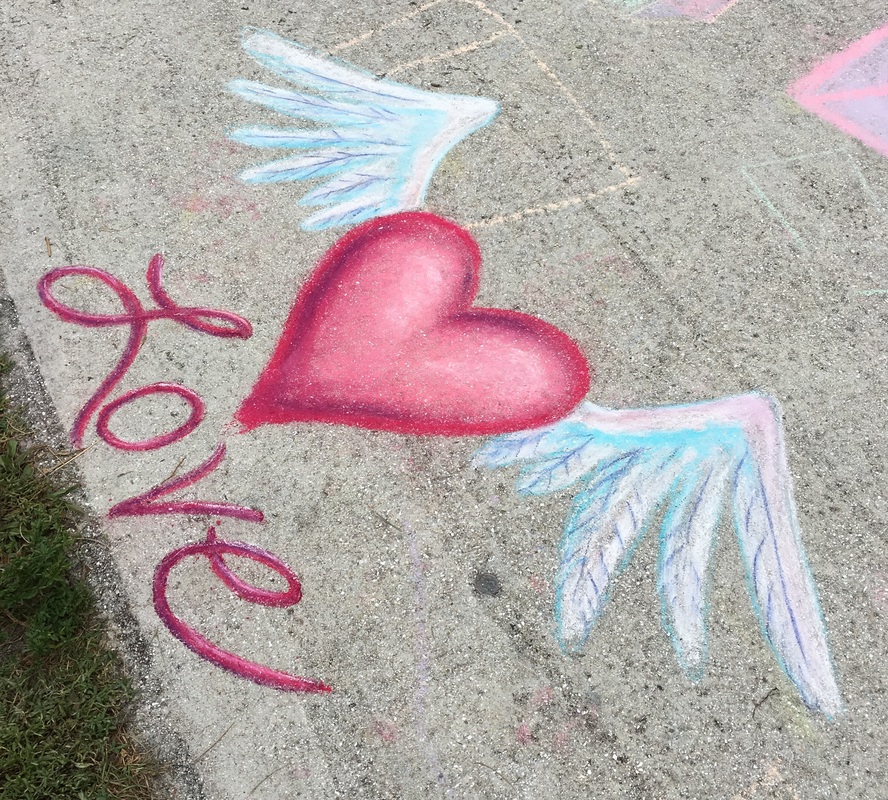
 As part of a project I started last year through the City of Boulder and with the help of my good friend, John Aaron, Chalk4Peace/Boulder in Color will happen on September 24, 2023 on 13th Street as part of the Social Streets Initiative. After the pandemic, surveys were showing that people in Boulder wanted more chances to participate in art making (don't we all?). I wanted very badly to bring a chalk festival of some kind to Boulder, and I had managed to do Chalk4Peace twice before at the Lighthouse ArtCenter in Tequesta, Florida. It was small, but successful, and I felt it was a good fit for Boulder. More info click here. As I was planning this event, I received word from Daniel Krachey, who is an Institutional Activities Coordinator at the Jefferson City Correctional Center (a maximum security prison) in Missouri, that they had a great event on Sept. 21 (actual World Peace Day). In a previous blog, I wrote about their first attempts at chalk art (with great success)! This was their second ever art event in Jefferson City, Missouri. Backs were sore, legs were cramped and no one wanted to get up the next morning, but they were all excited at what they created. There is a buzz about it in the entire prison. The inmates asked what this had to do with Boulder, Colorado, and the guys were happy to explain about world peace day and how we are joining with Boulder to celebrate. Daniel wrote "Just because people are incarcerated does not mean they don’t have many of the same needs and desires everyone else does. So from us to the artists in Boulder, we stand with you on World Peace day. We look forward to seeing what you create." Below are some pictures of their works! Being able to inspire others with chalk art is so wonderful and inspires me to keep creating and teaching this great art form!
0 Comments
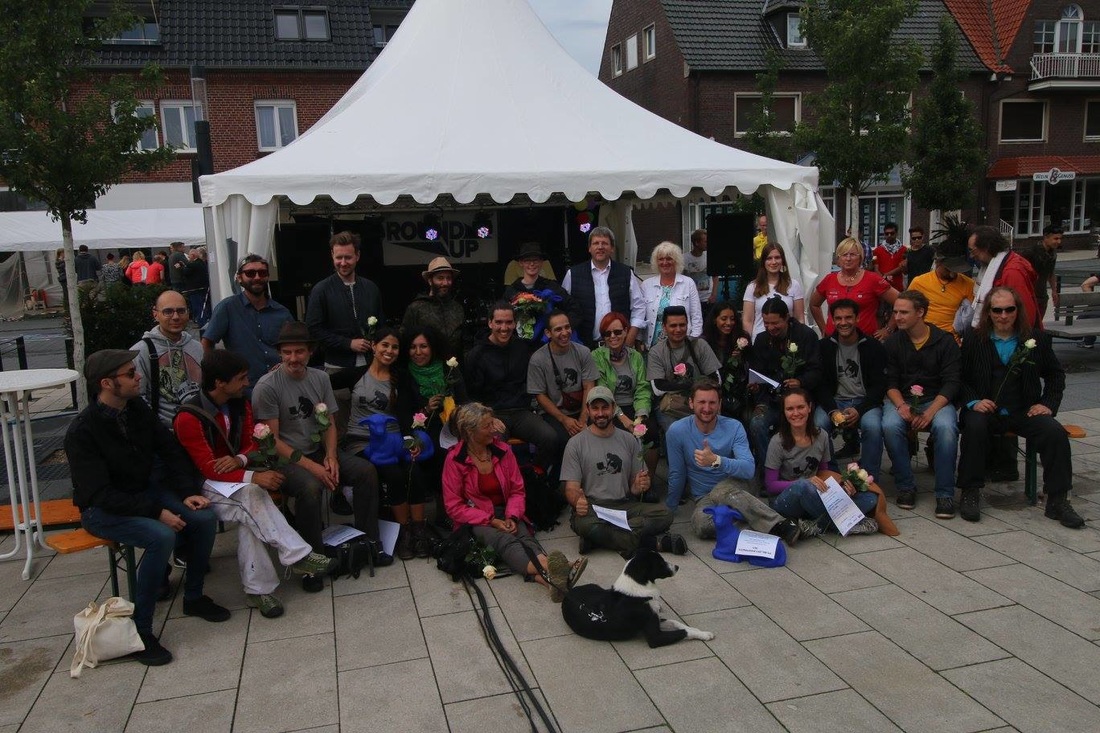
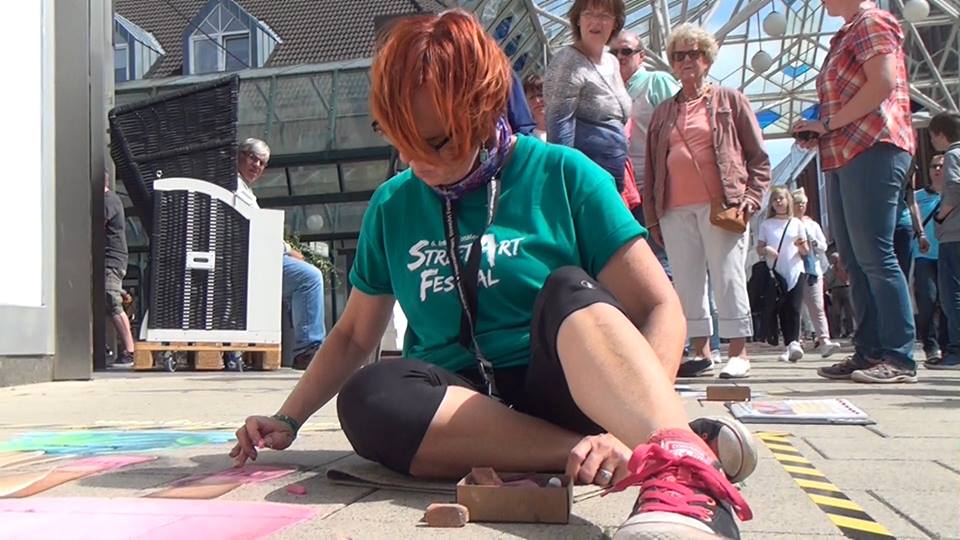
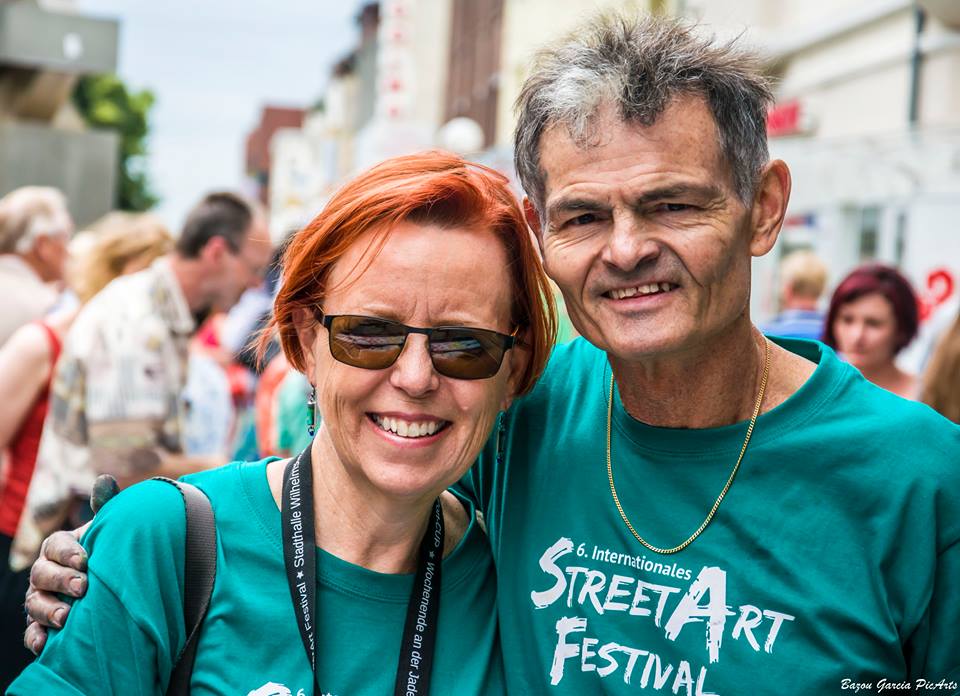
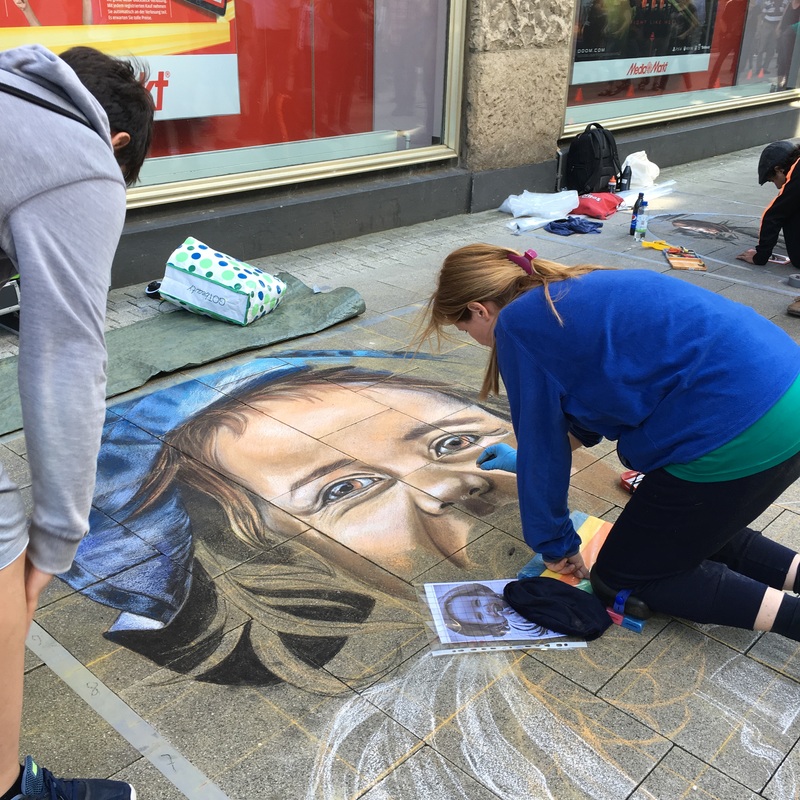
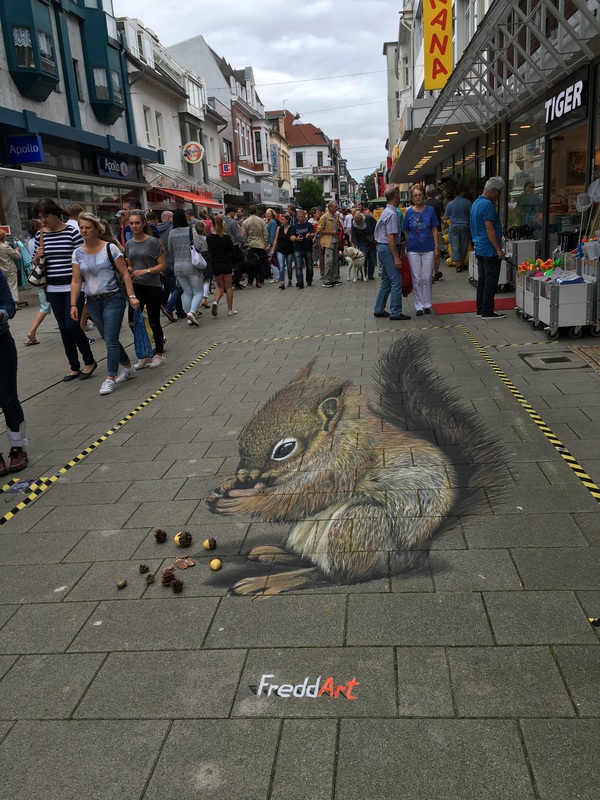
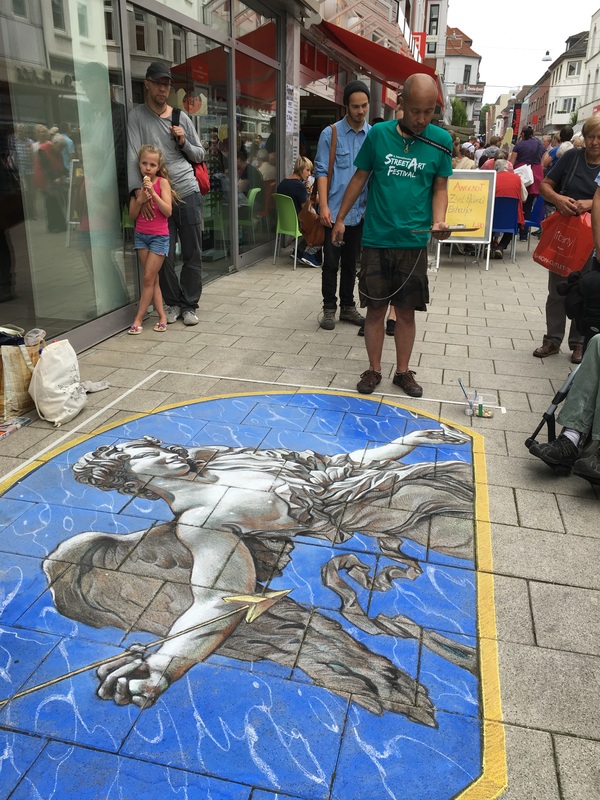
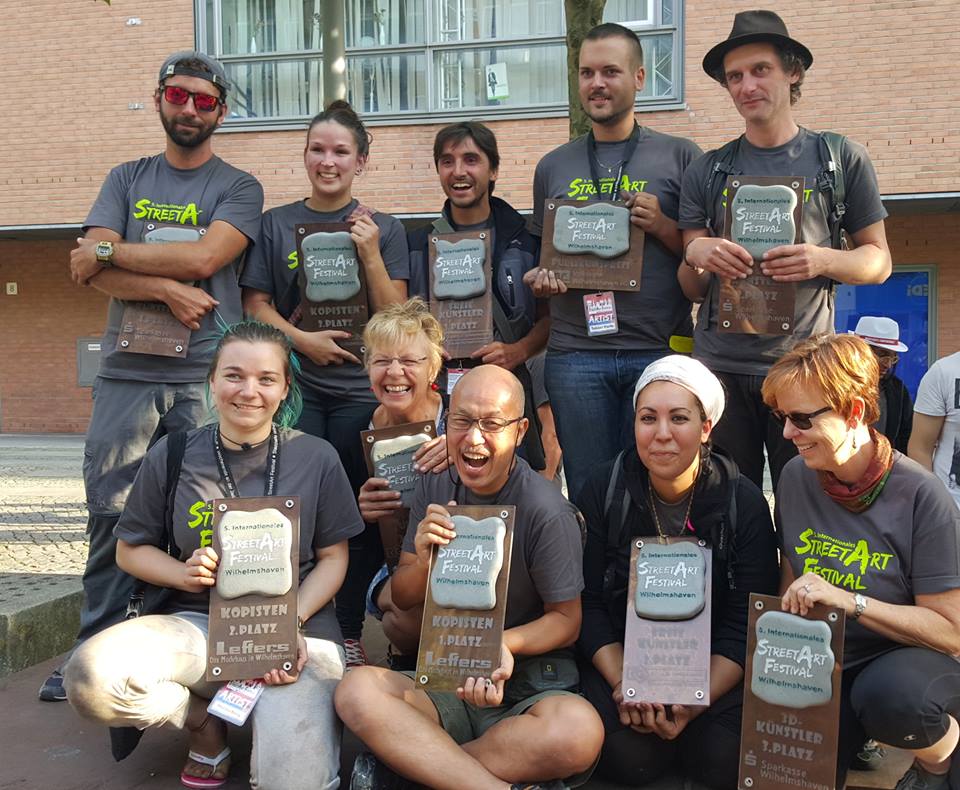
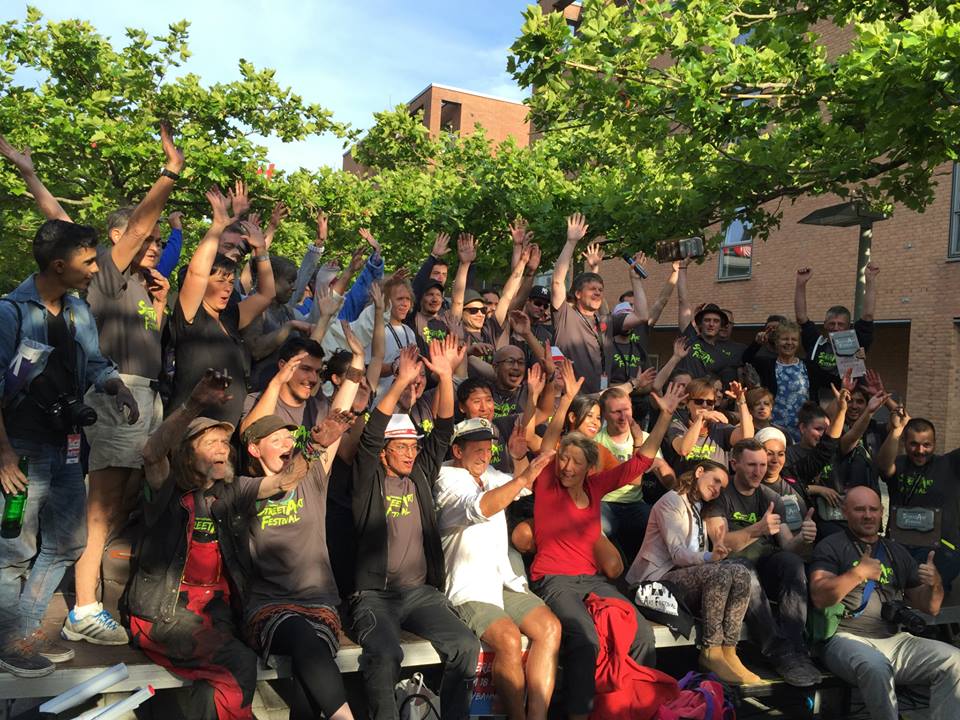
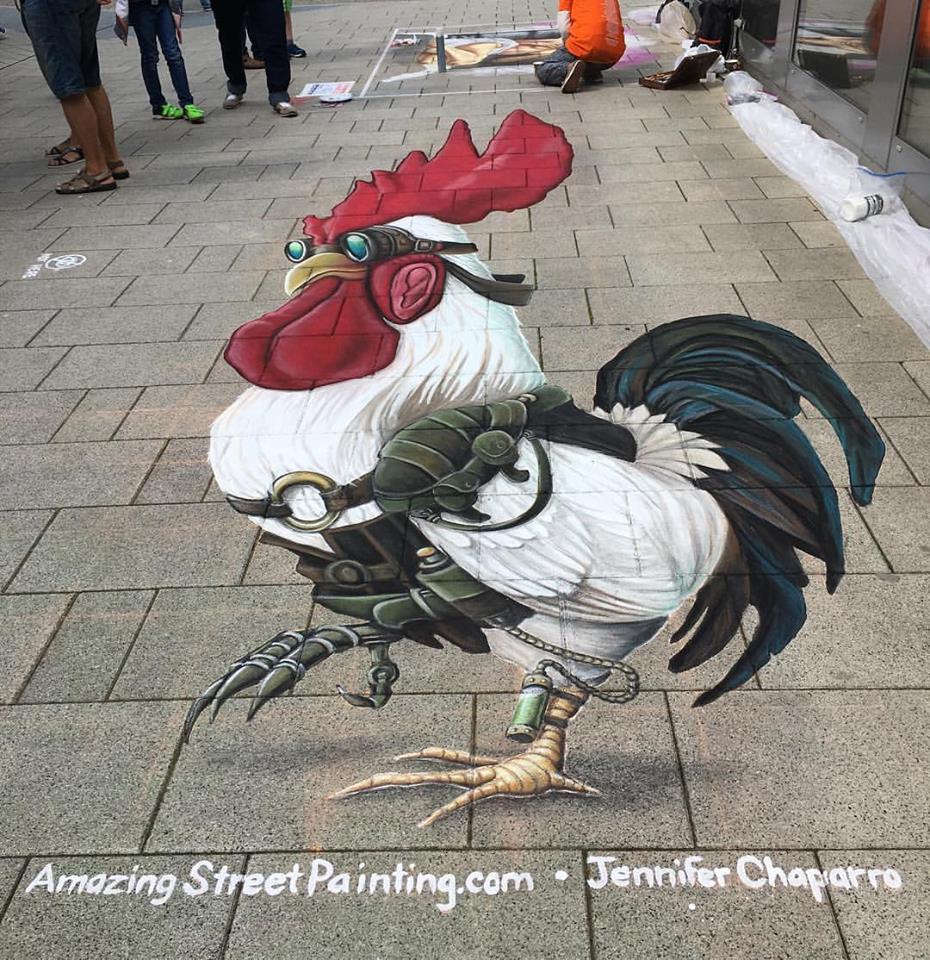 I won first place in the 3D category of the International Street Art Festival in Wilhelmshaven, Germany this past August. This was the seventh year for the event, and my fourth time attending. The event hosts 40 professional street artists from all over the world, who create both traditional and 3D works of art in tempera paint and chalk. My art this year, Steampunk Rooster, was inspired by original art by Ursula Vernon. Many thanks to her for giving me permission to use the image. Not all people at the festival knew about the steampunk style, but they have a festival in the same town, so I figured it would be well received. It was a fun image to create. 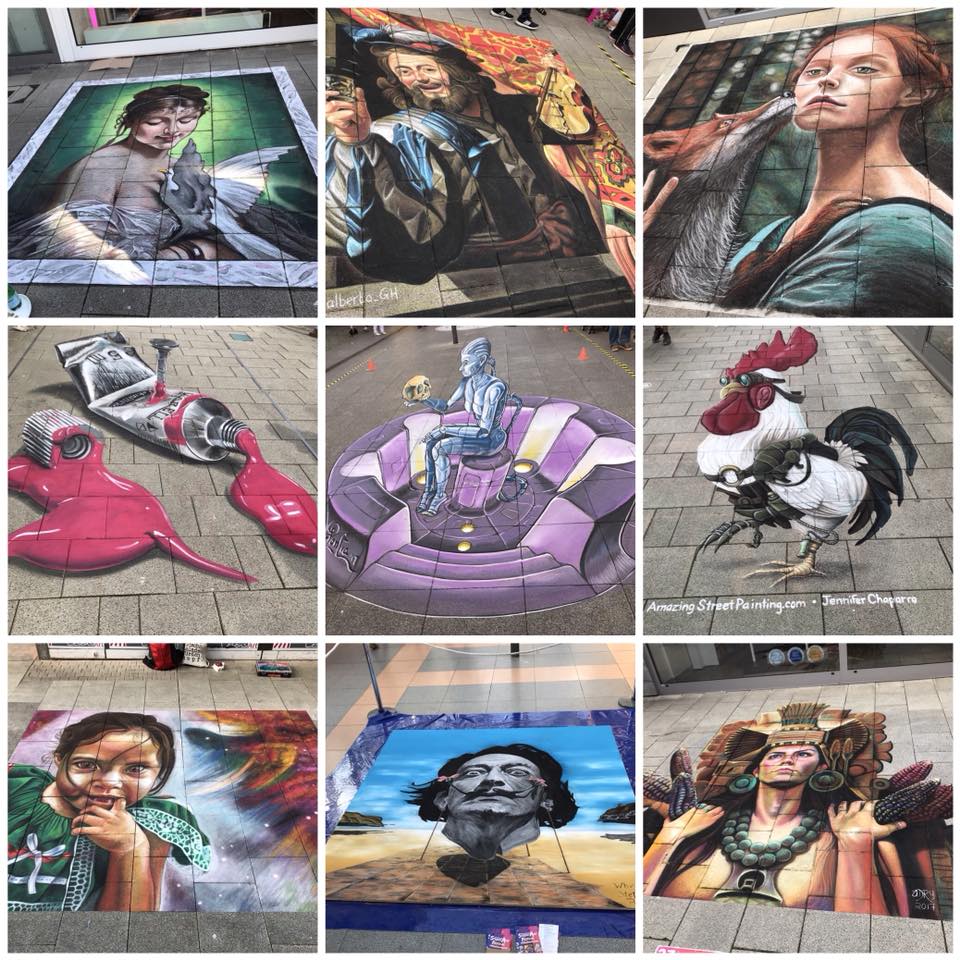 Winners from the 2017 International Street Art Festival in Wilhelmshaven Germany 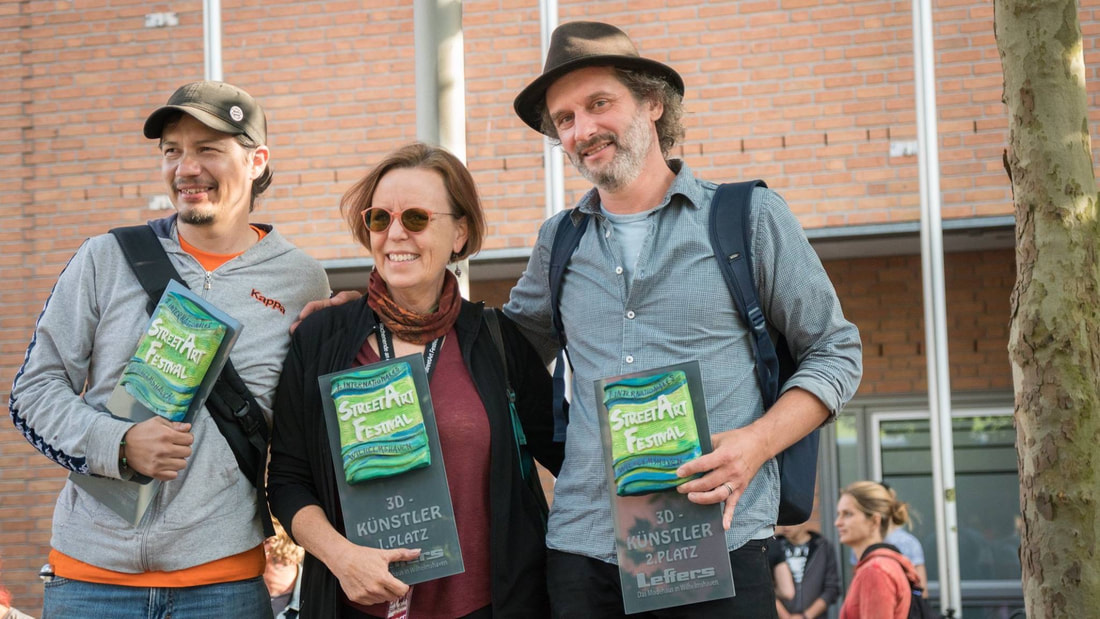 3D Category winners 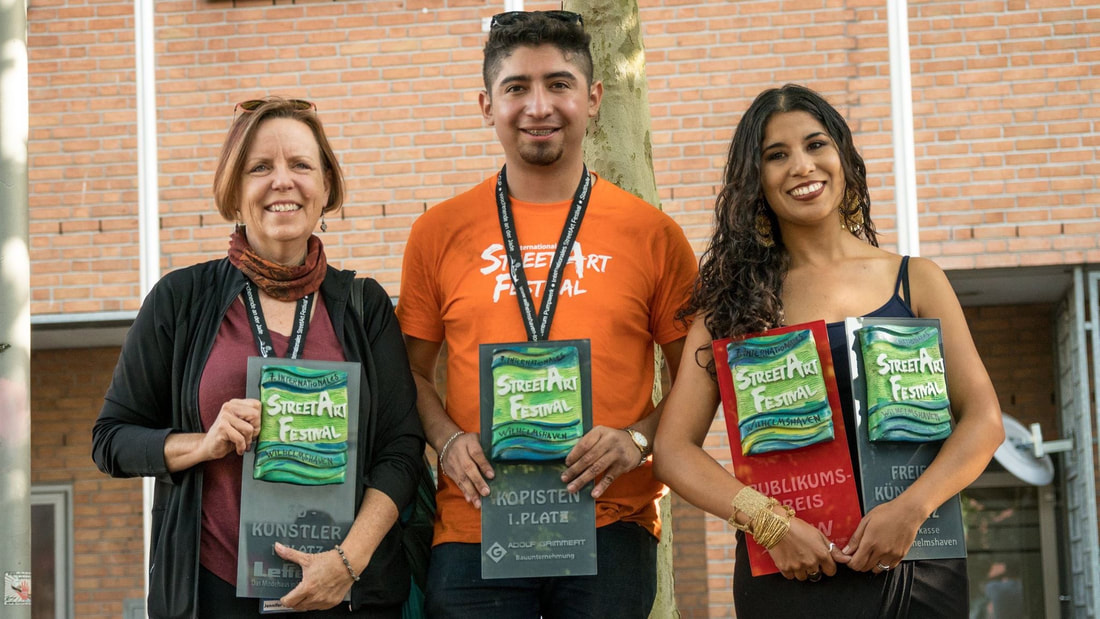 First place winners: Me with Maker (Mexico) and Adry (Mexico) The past month has been extremely busy for street painting. I usually try to escape the heat of Florida in the summer, but the rain, heat and humidity seems to have followed me. In case you missed the multiple posts on Facebook and Instagram, here are a few of the highlights:
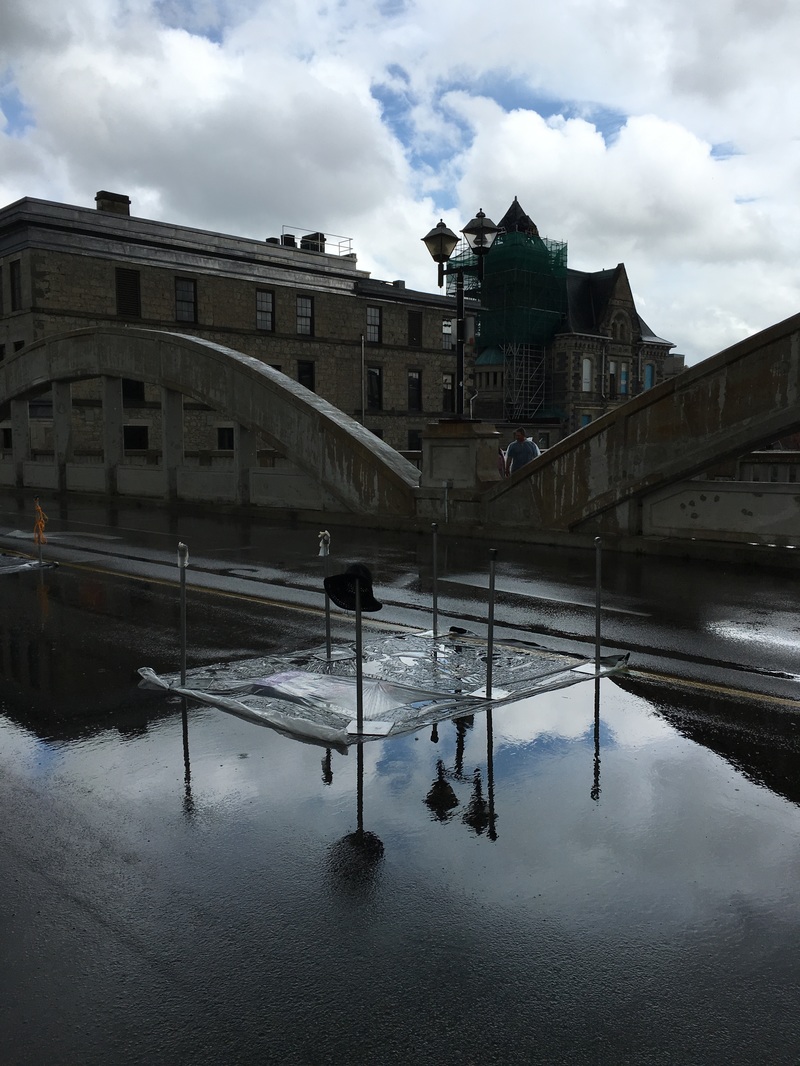
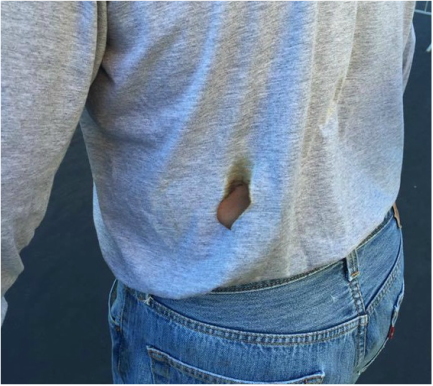
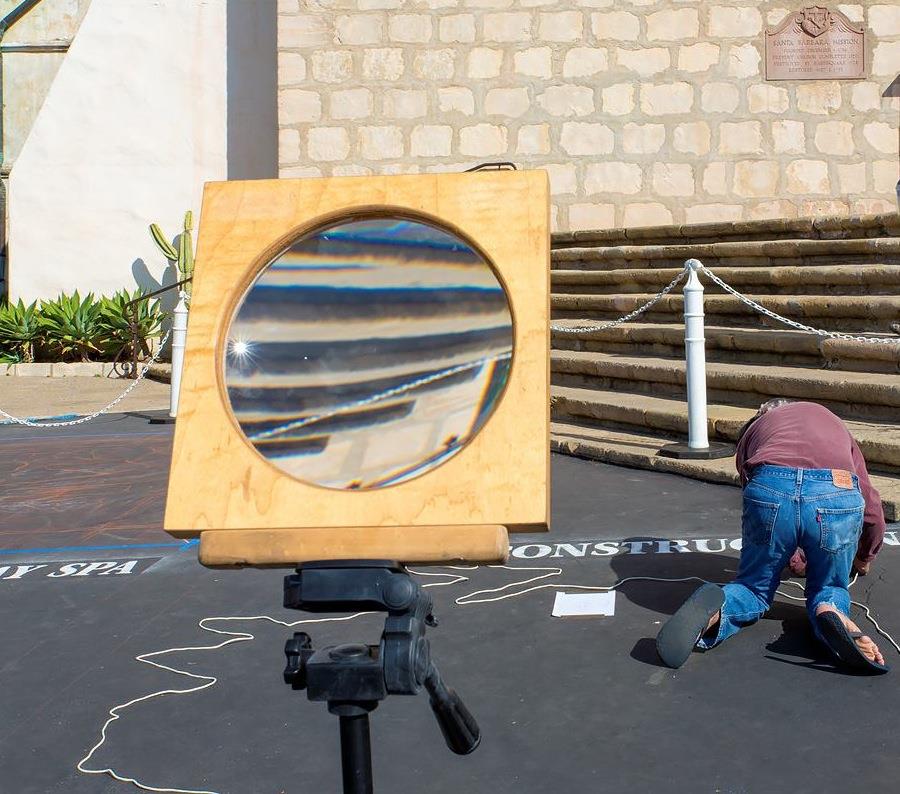
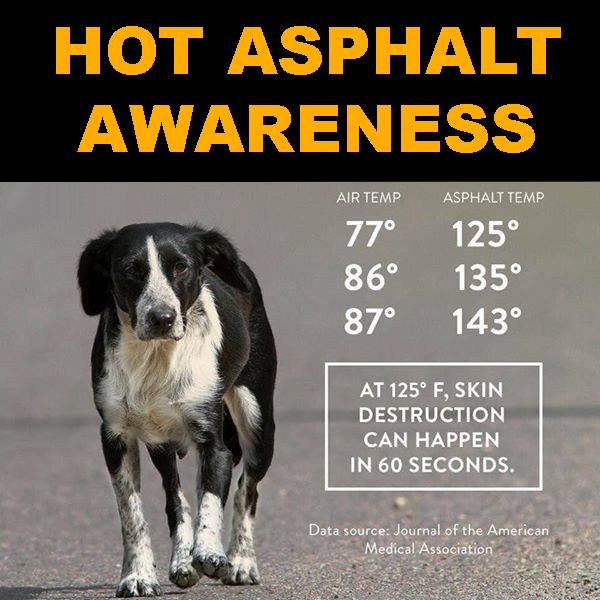 We all have stories of events where we felt like we were going to melt into the asphalt. Rod Tryon, a veteran chalker for many years, had a harrowing experience recently in San Rafael, California during a particularly hot spell, where his shirt actually caught on fire! He has a concave lens on a tripod that he uses to help create his anamorphic sketch for his 3D pieces (it's faster than looking through a camera every time you want to check on your work.) As he was standing in the middle of his drawing, he smelled something burning. He wondered what it was and then felt a very warm sensation on his lower back. The back of his cotton shirt was actually burning. He quickly patted it out and was OK, but shaken, to say the least. (See the picture below.)
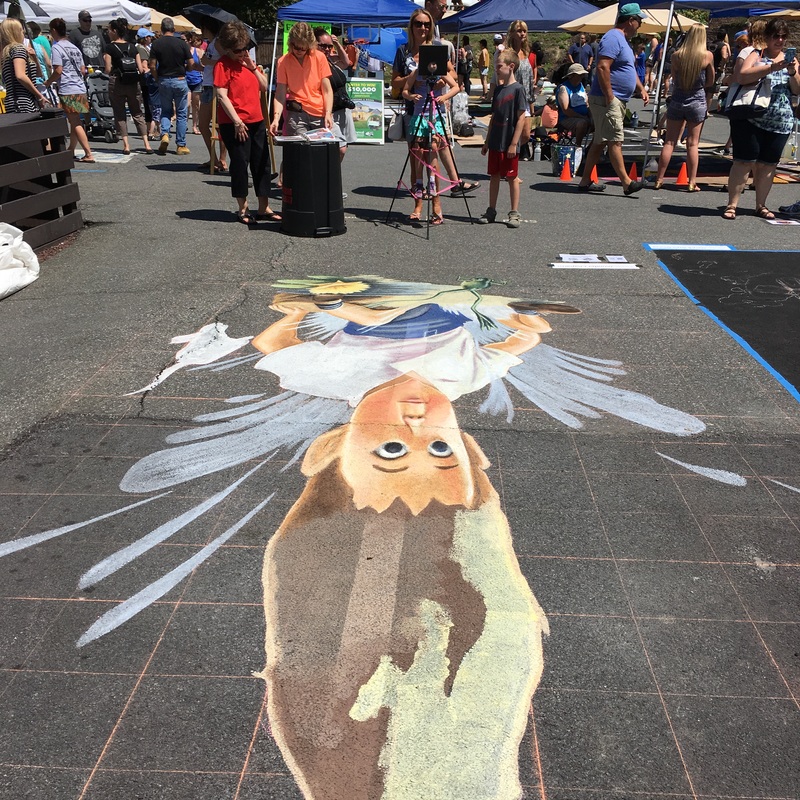
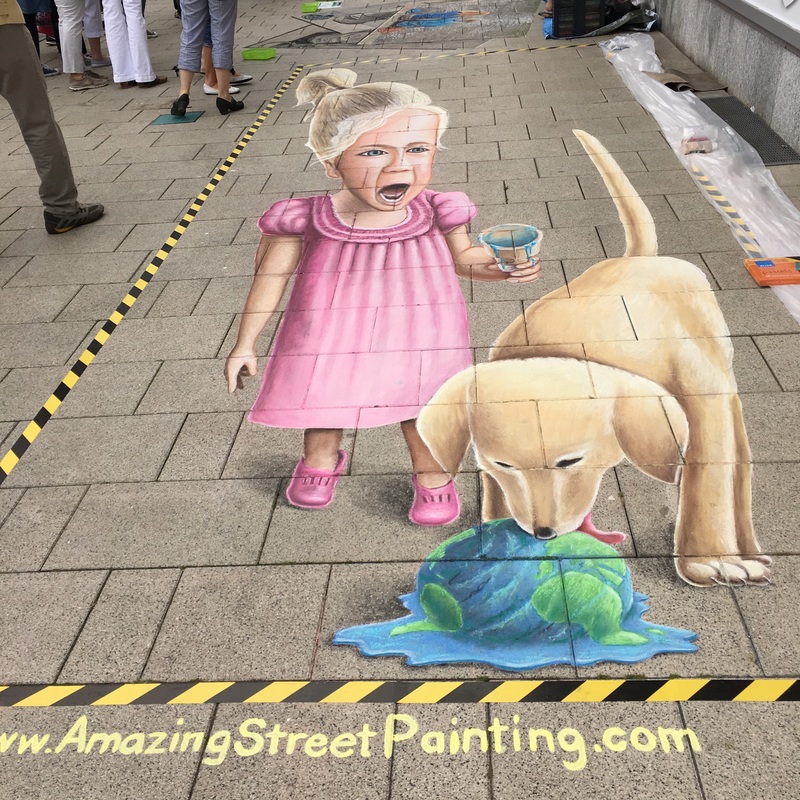
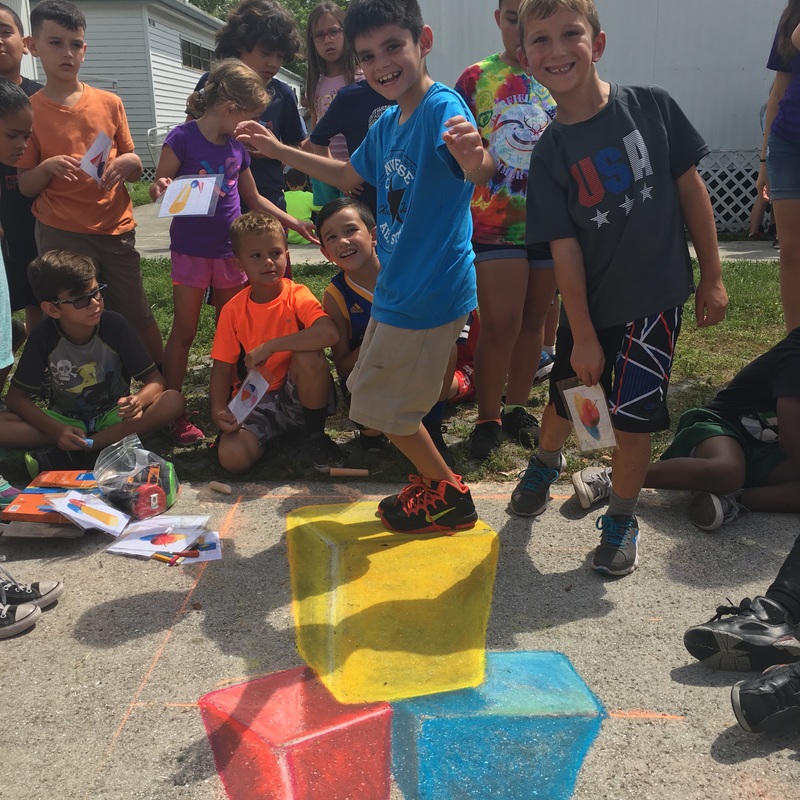
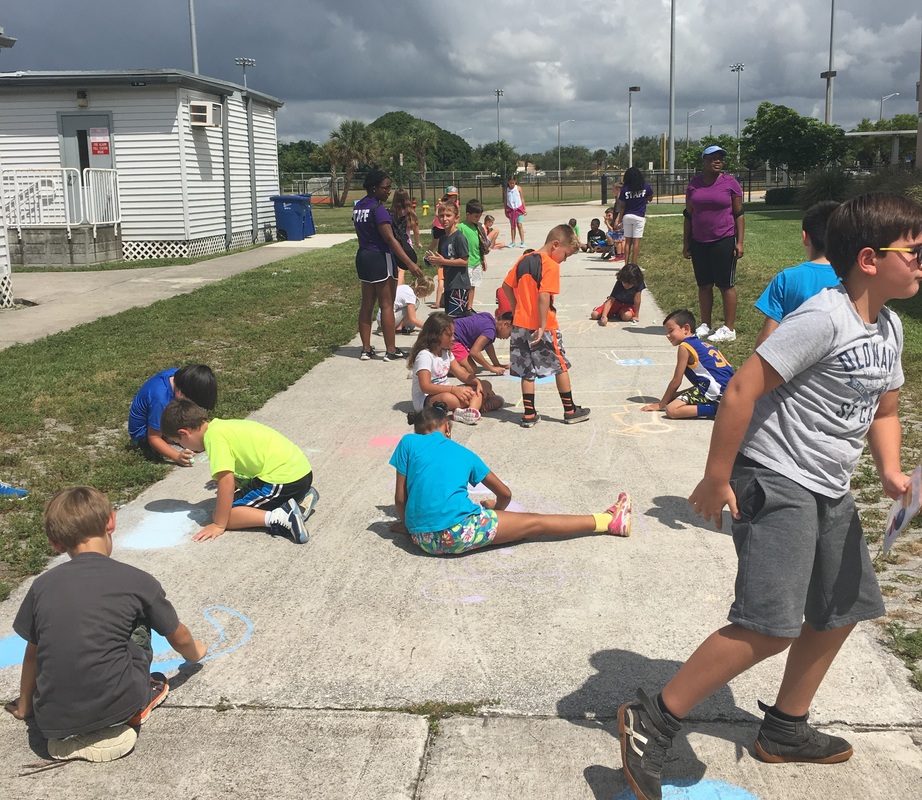
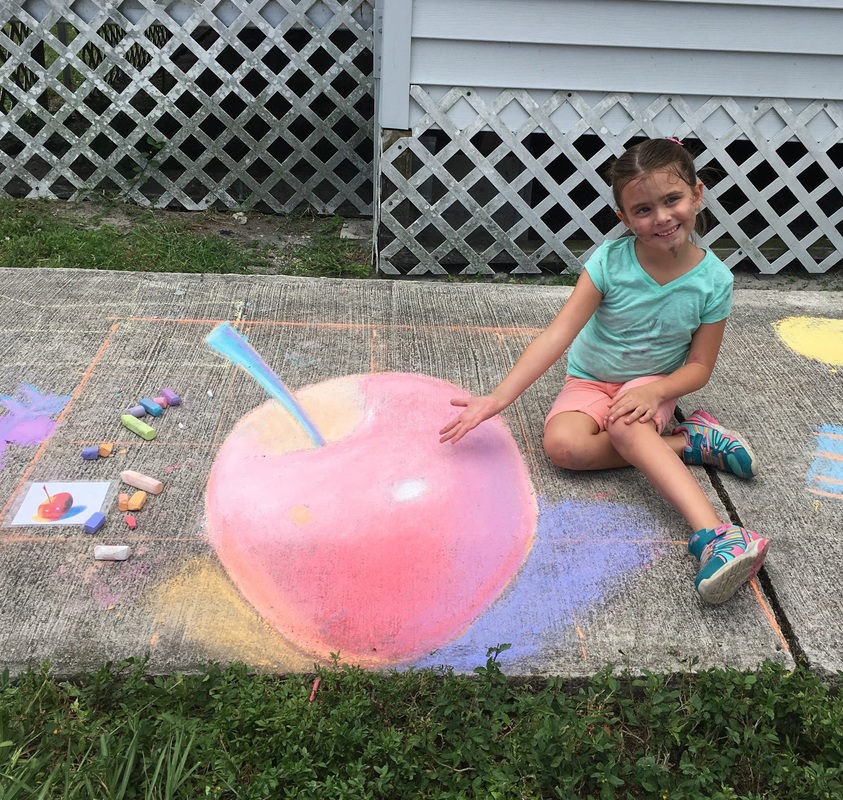
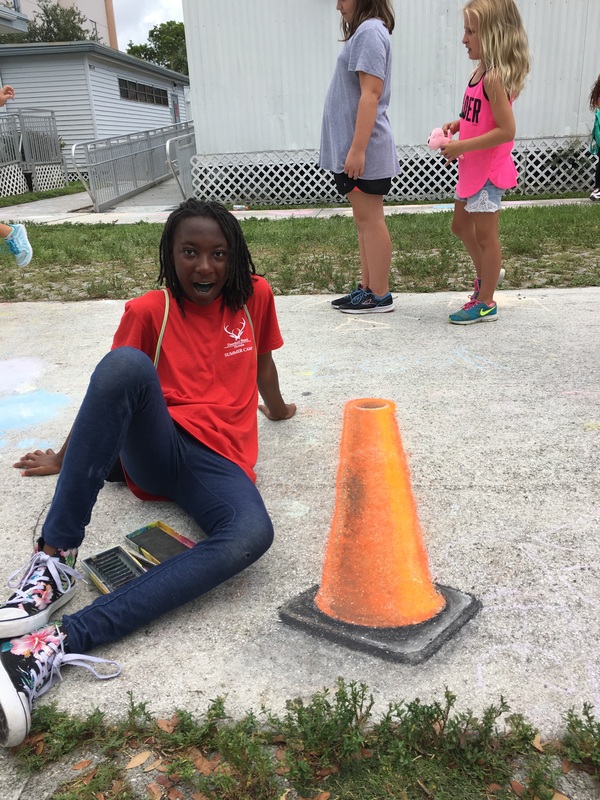
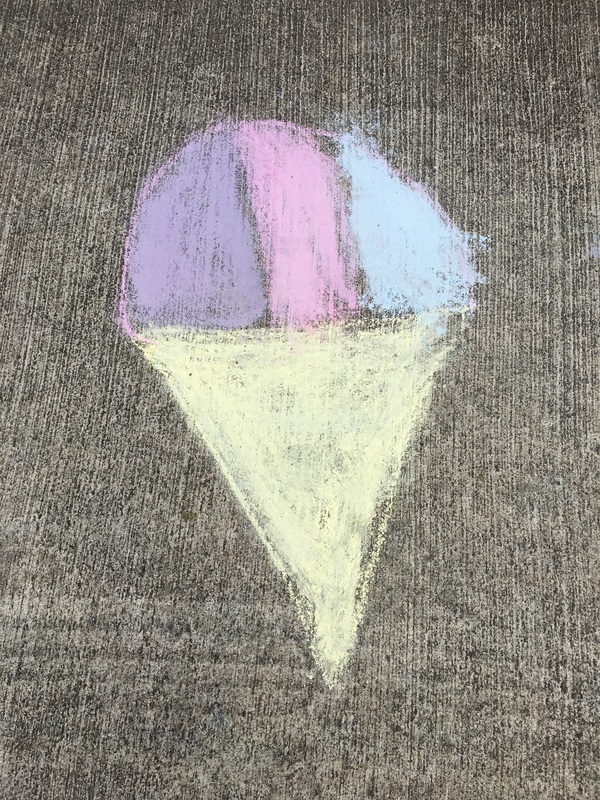
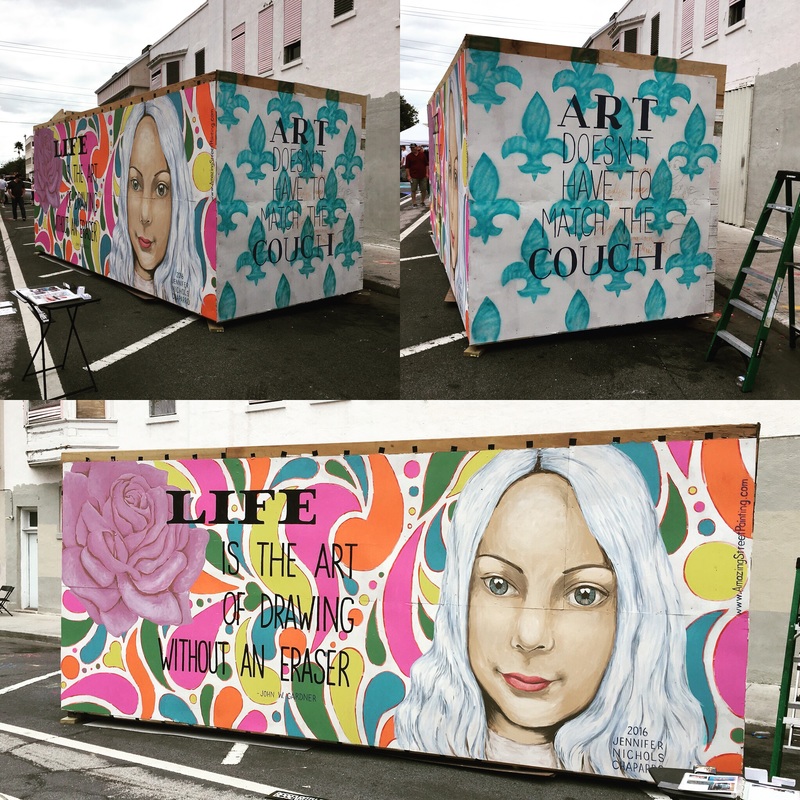
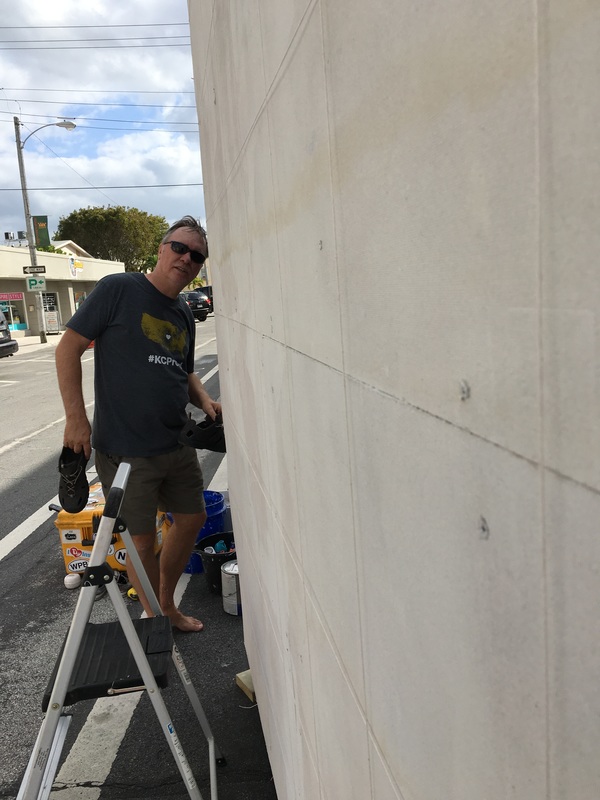
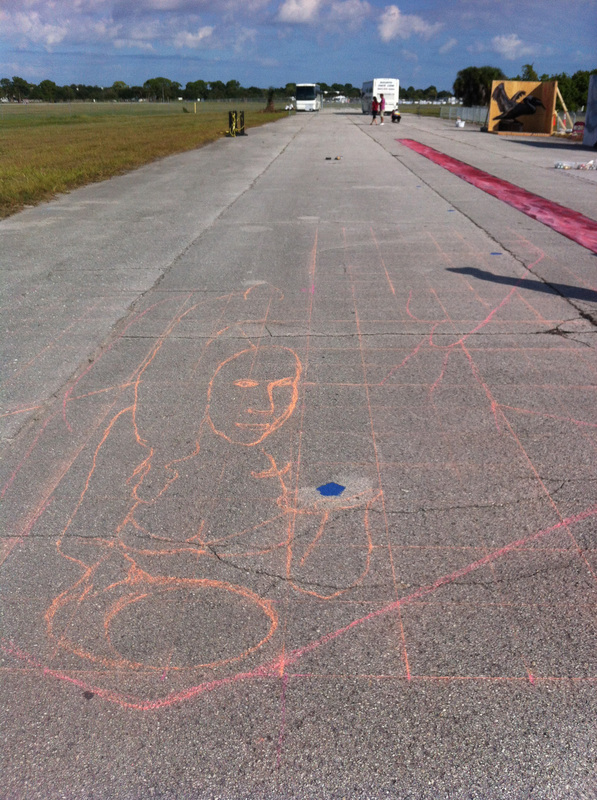
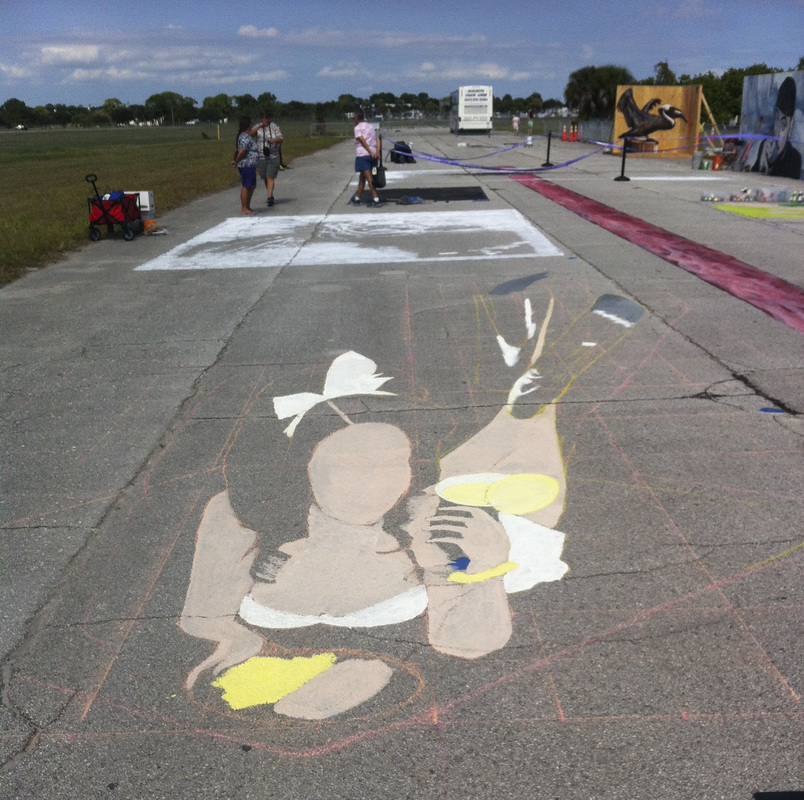
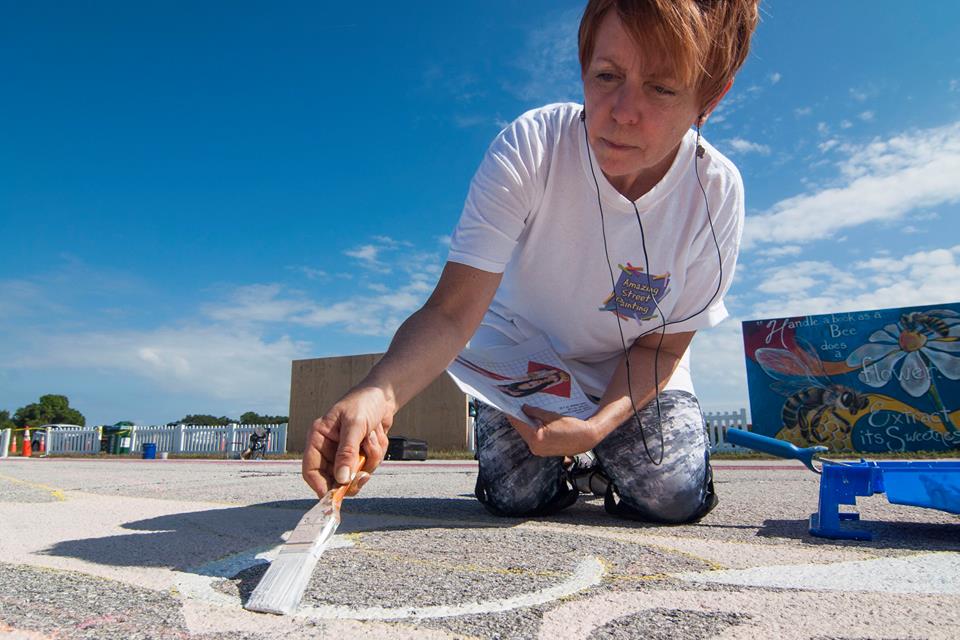
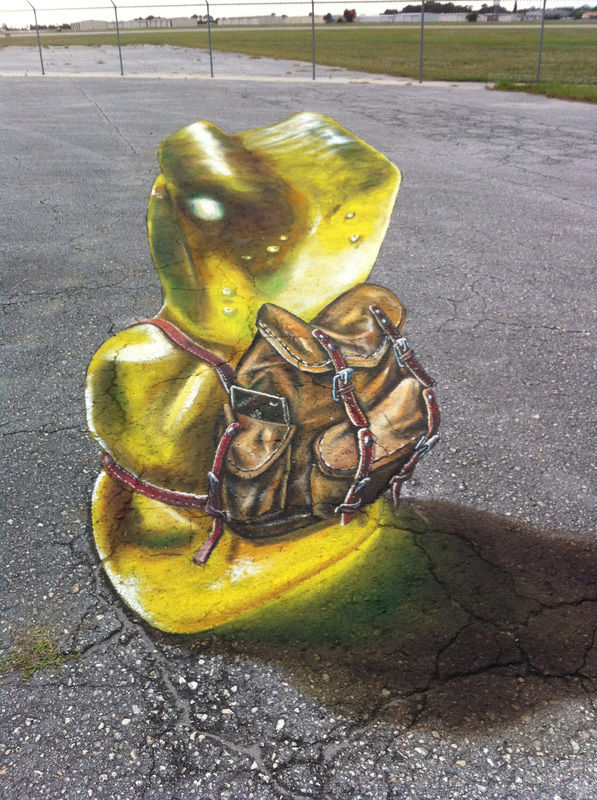
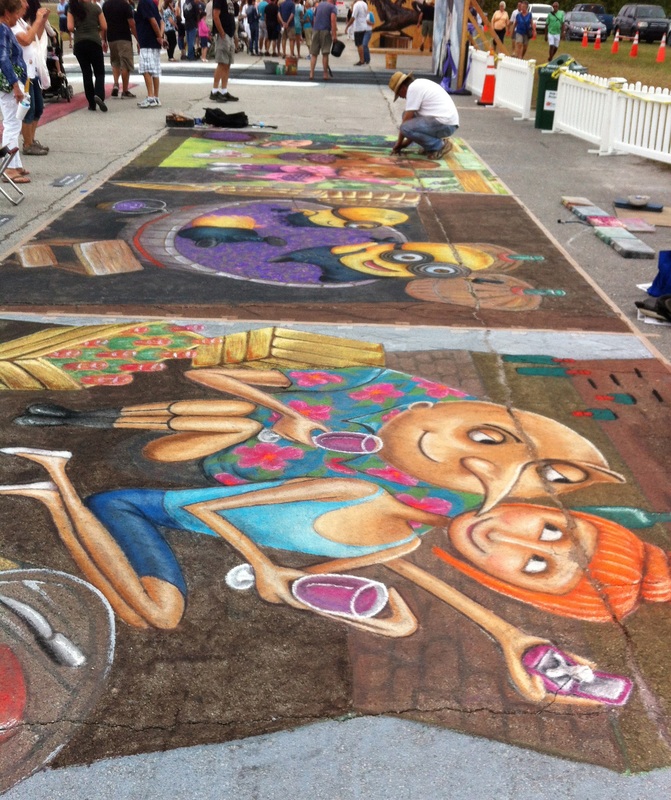
Braving the heat and rain in Deerfield Beach, Florida Summer in Florida is usually too hot, muggy, buggy and rainy for chalk art. But summer camps are always looking for new and fun things to keep their kids occupied., so I worked with the kids, in grades 1st-7th, to introduce them to street painting! I was scheduled to do a larger piece, but the rain in the morning made the surface too damp. I ended up showing videos and a powerpoint inside, and by then it was dry enough to go outside and experiment. I did a few smaller 3D samples, showing how we grid it out with a chalk line first. Below are a few photos from our day. 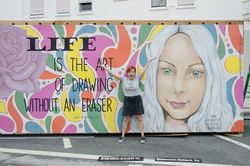 For the first time at the Lake Worth Street Painting Festival, I painted instead of chalked. This was my 12th time at this event. I was planning to chalk a large 3D anamorphic piece, but was asked three days before the event to step in and do a mural on the side of a shipping container, since one of the other artists couldn't get to Florida in time. I had to come up with a totally different idea that would span the 20' x 8' x 8' area. Sponsor was Bessenroth Builders, a local builder that builds homes in the containers. Cyndi Kostylo and Cass Womack worked on the other container next to me. I decided to pull up some art I was working on my tablet. I combined an illustration of my daughter from a selfie she had sent me with her new white hair. I added a paisley background and a rose that I had been working on, and then added an appropriate saying. Much of the street art in Miami has a message, so I felt it was appropriate to include a positive, art related message. It took about 16 hours, with Craig helping to prime and grid the area. The surface was constructed of masonite (rough side out) screwed onto the surface. Not sure if they will coat the art and keep it for a while. Unfortunately, masonite is not very durable in wet weather.
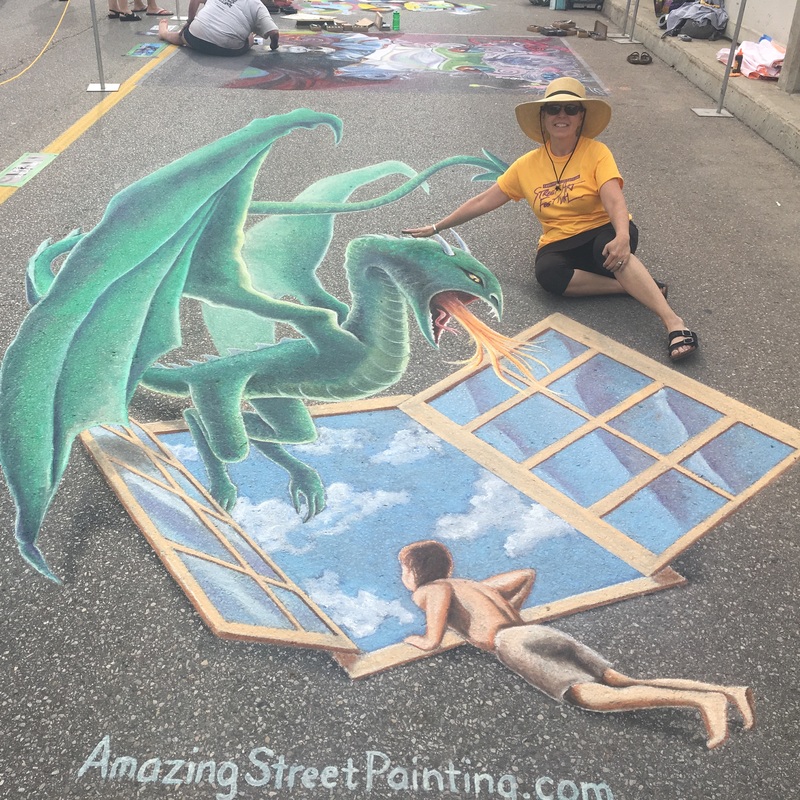
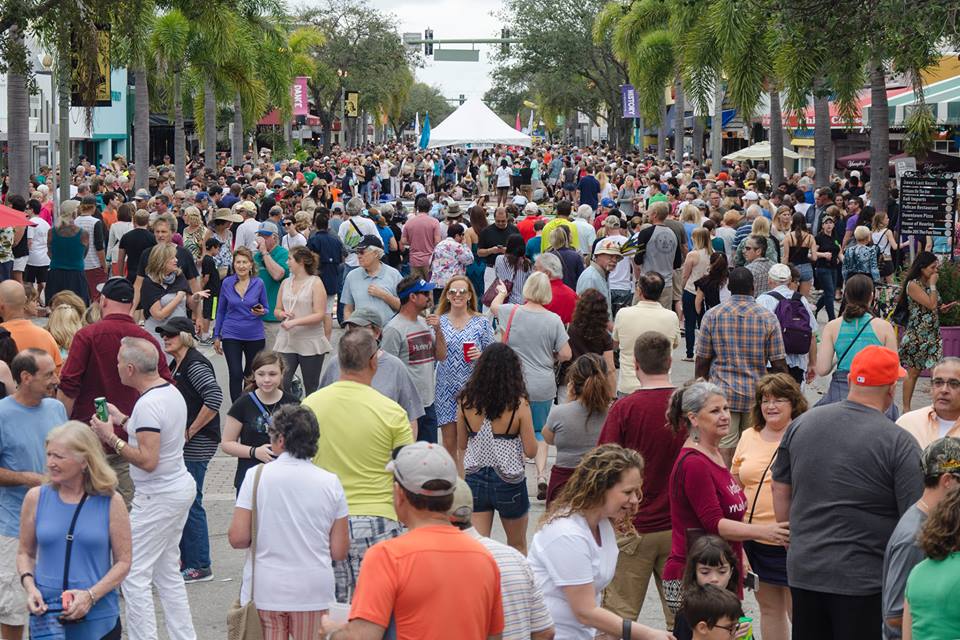
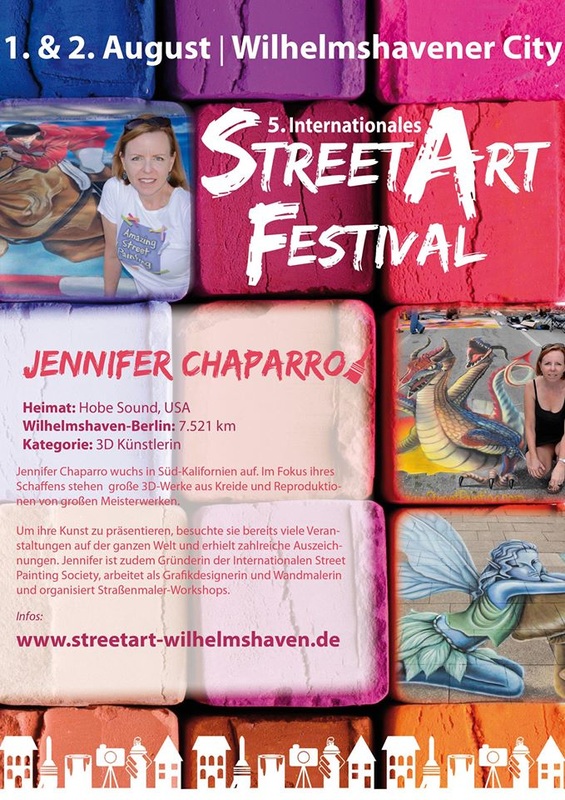
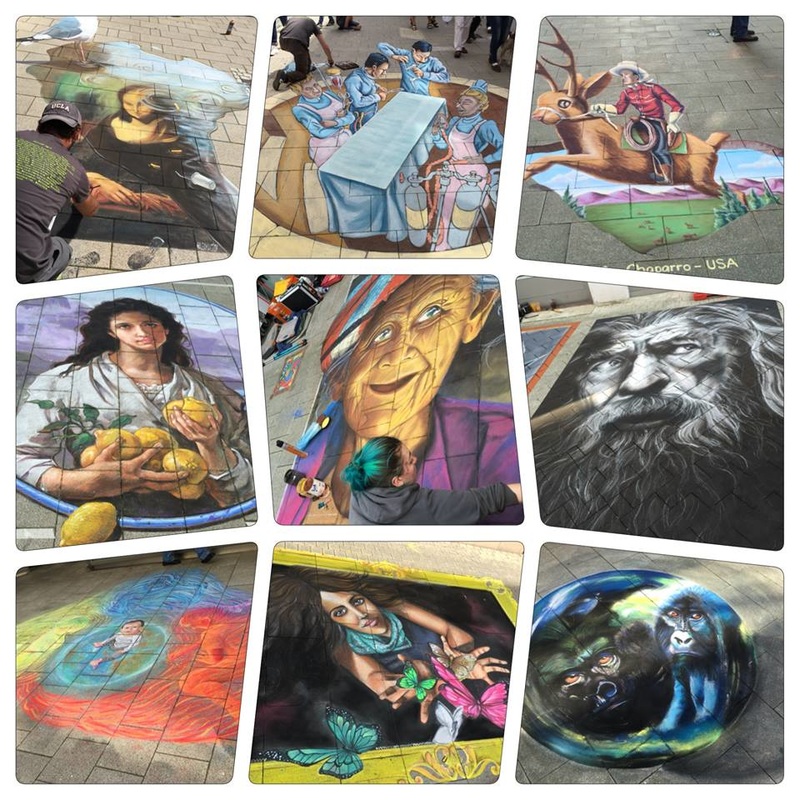
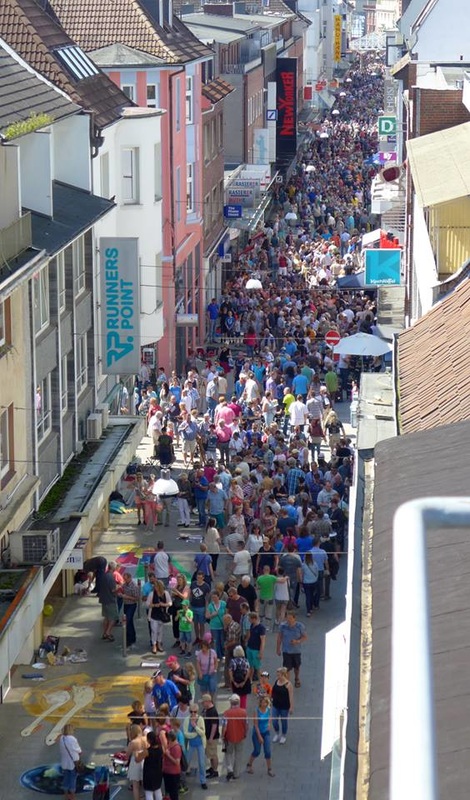
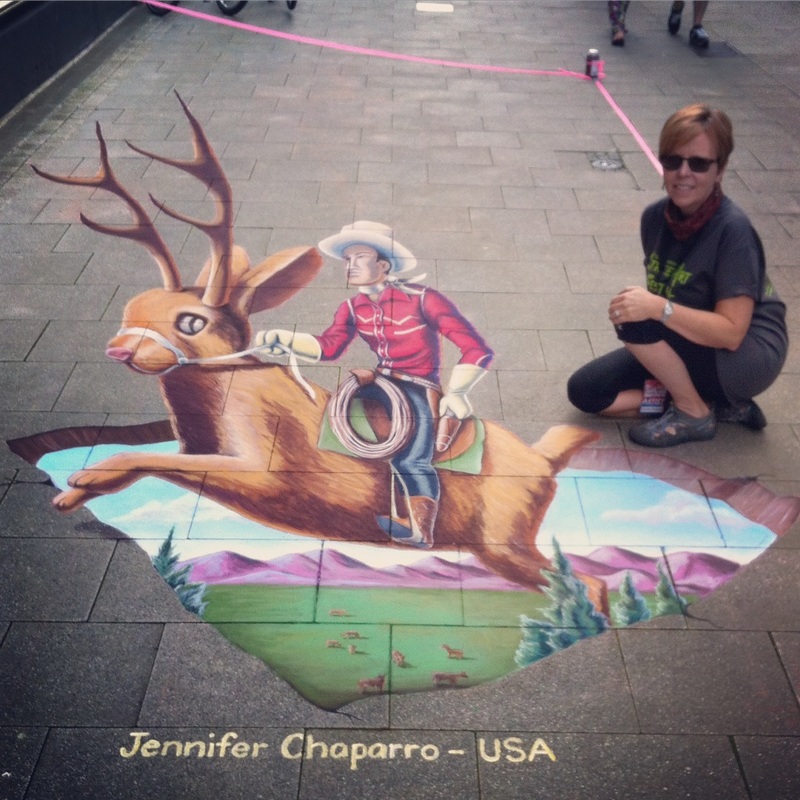
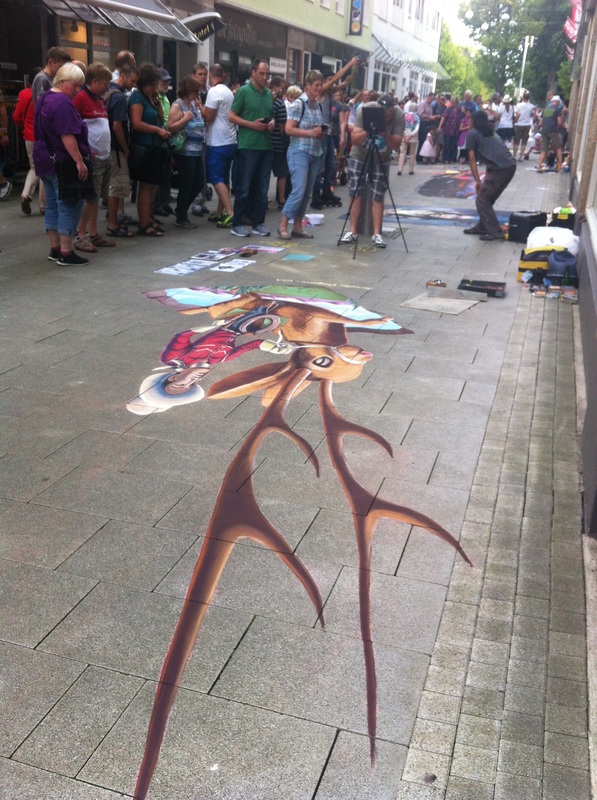
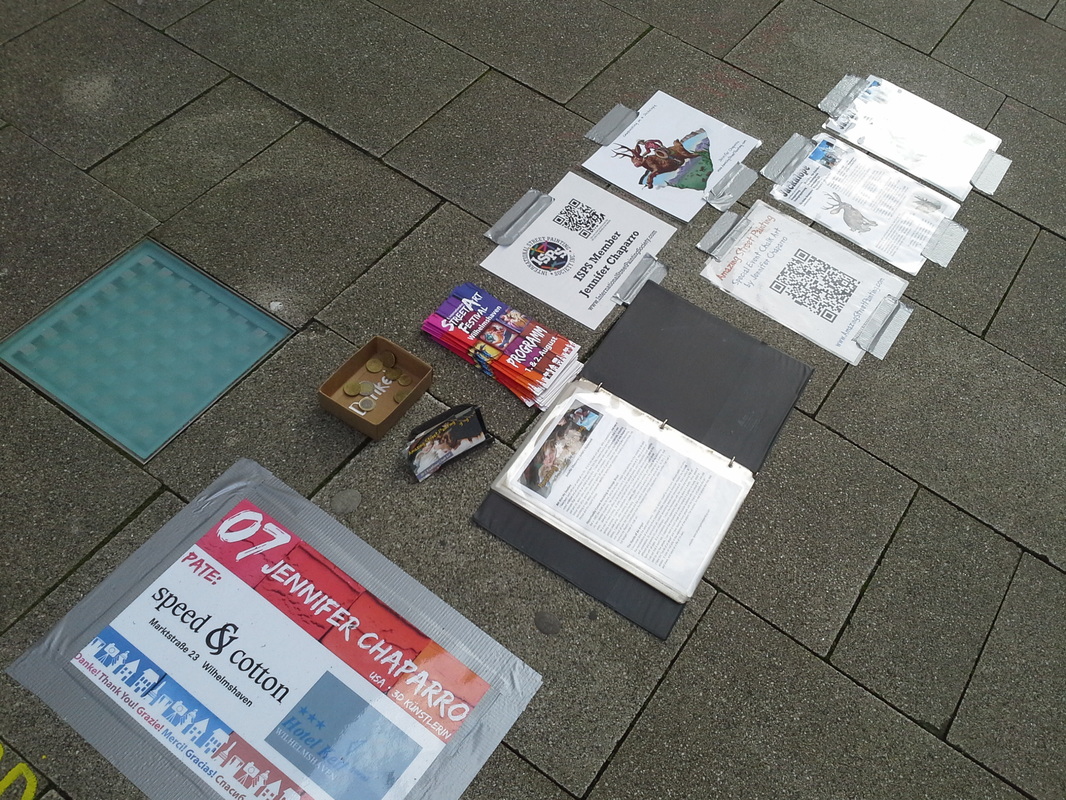
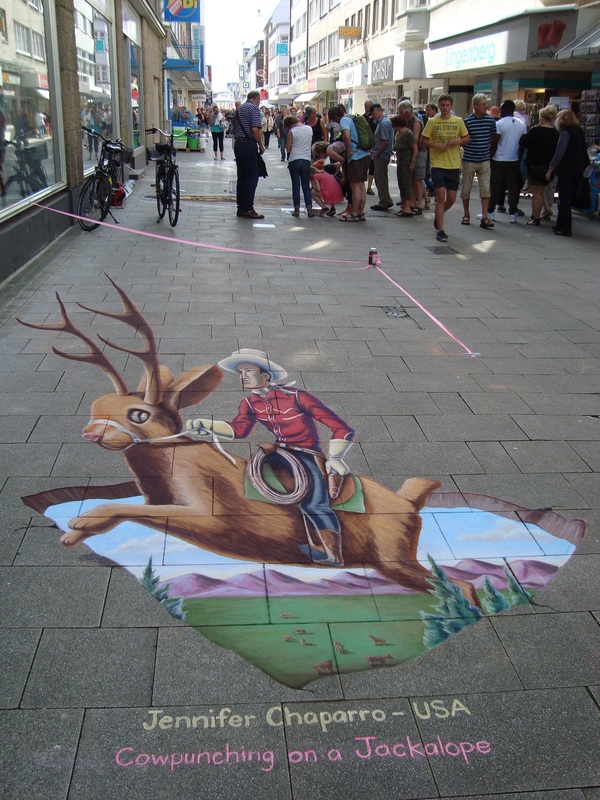 I was invited to participate again at the 5th Street Art Festival in Wilhelmshaven, Germany on August 1 & 2, 2015. I traveled with another South Florida artist, Carrie Bennett. There were two other artists from the US, and a total of 40 artists from Mexico, Italy, Urkraine, Russia, Germany and France. I decided to create a piece of original 3D anamorphic street art featuring the mythical Jackalope. I added a vintage style American cowboy for this fun piece. The Germans have a similar mythical creature, called a Wolpedinger, that is a rabbit with wings, fangs and antlers, so I figured the Jackalope was the American version of this creature. I made sure I printed up an explanation in both English and German for viewers, since I wasn't sure if it would be understood, and I speak very little German. Art Wins Award! I was very happy and surprised to win third place in the 3D catergory! Alex Maksiov from Russia won first and Ruben Poncia from the Nederlands won second, both artists are amazing, and I was honored to share the stage with them. Thank You!!! Thank you to my space sponsors: Speed & Cotton and the Hotel Keil. The event was very well run by Michael Diers and his group. Attendance was estimated at 60,000 for the weekend, a new record. I hope to return again next year to this great event.
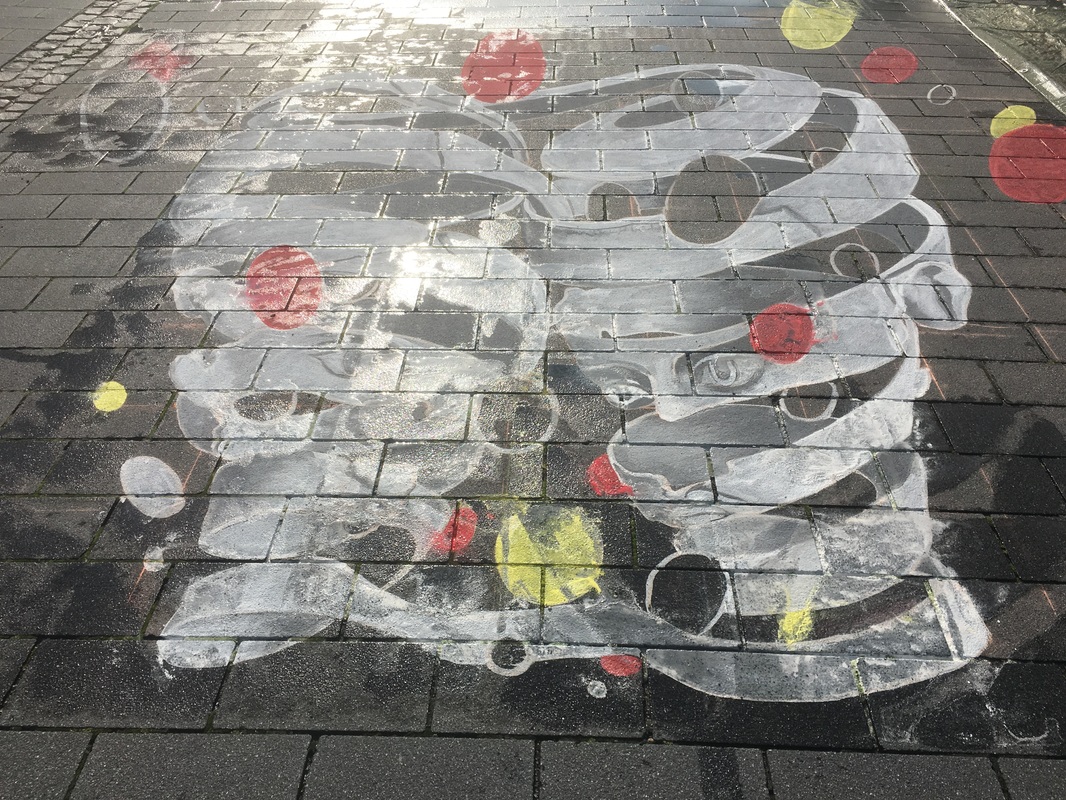
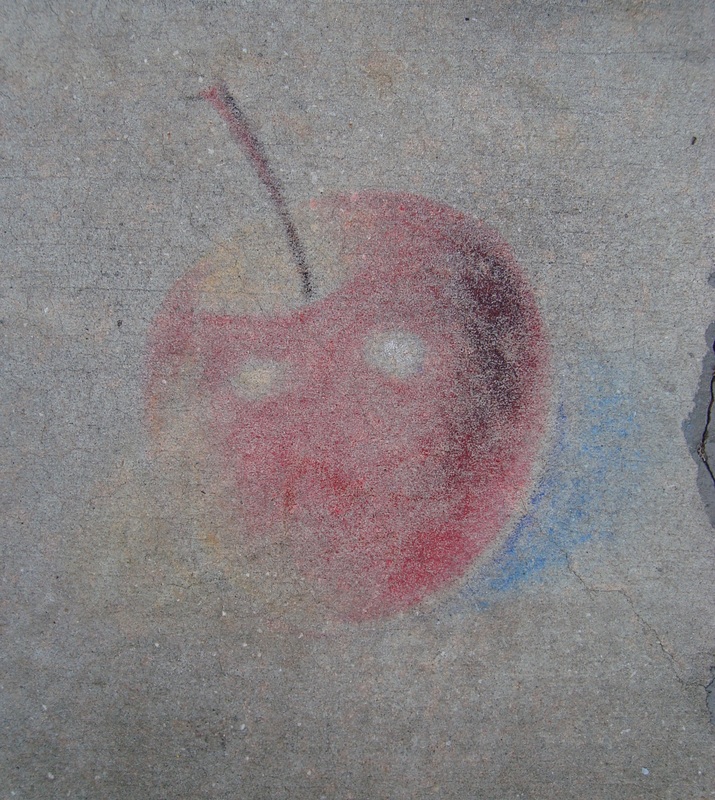
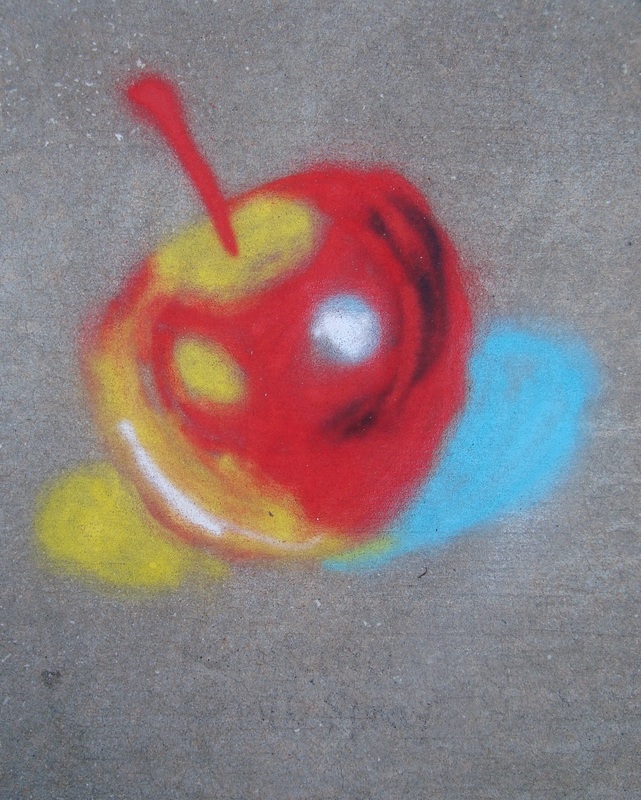
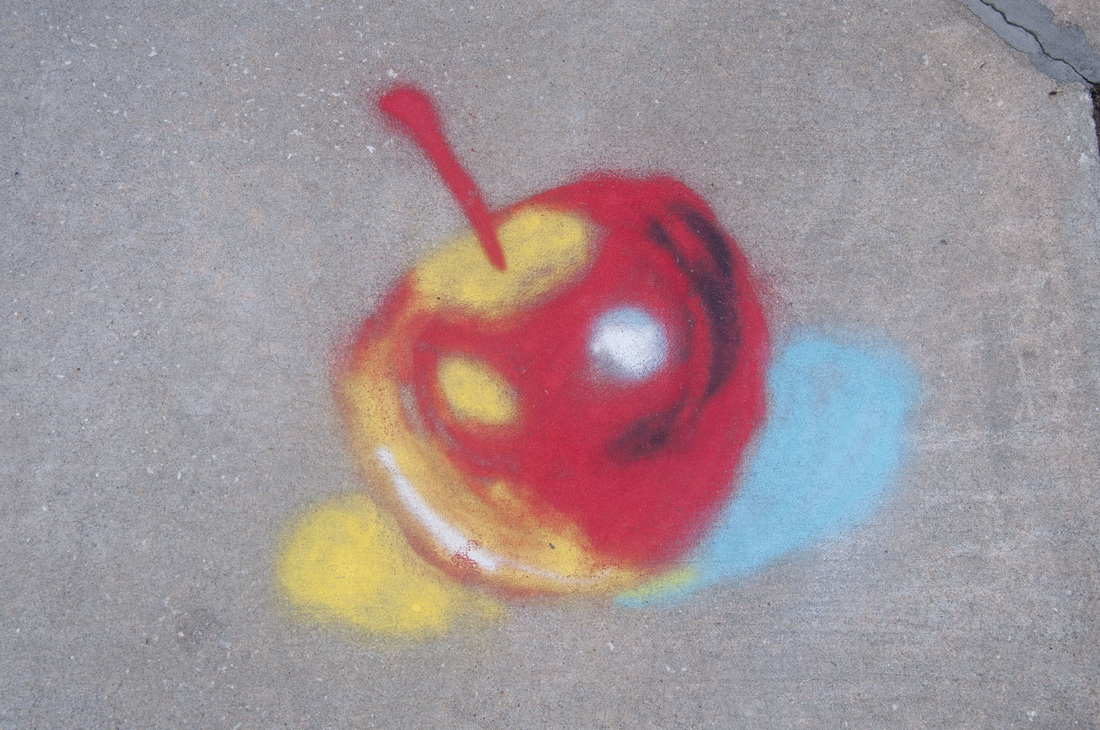
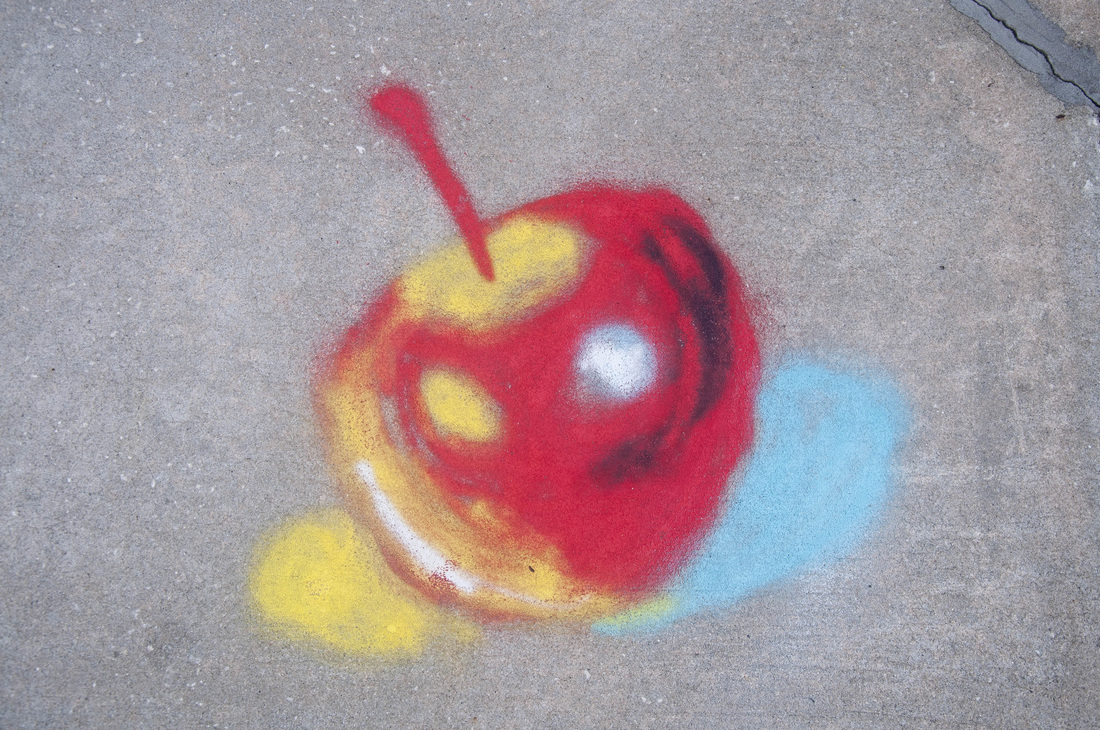
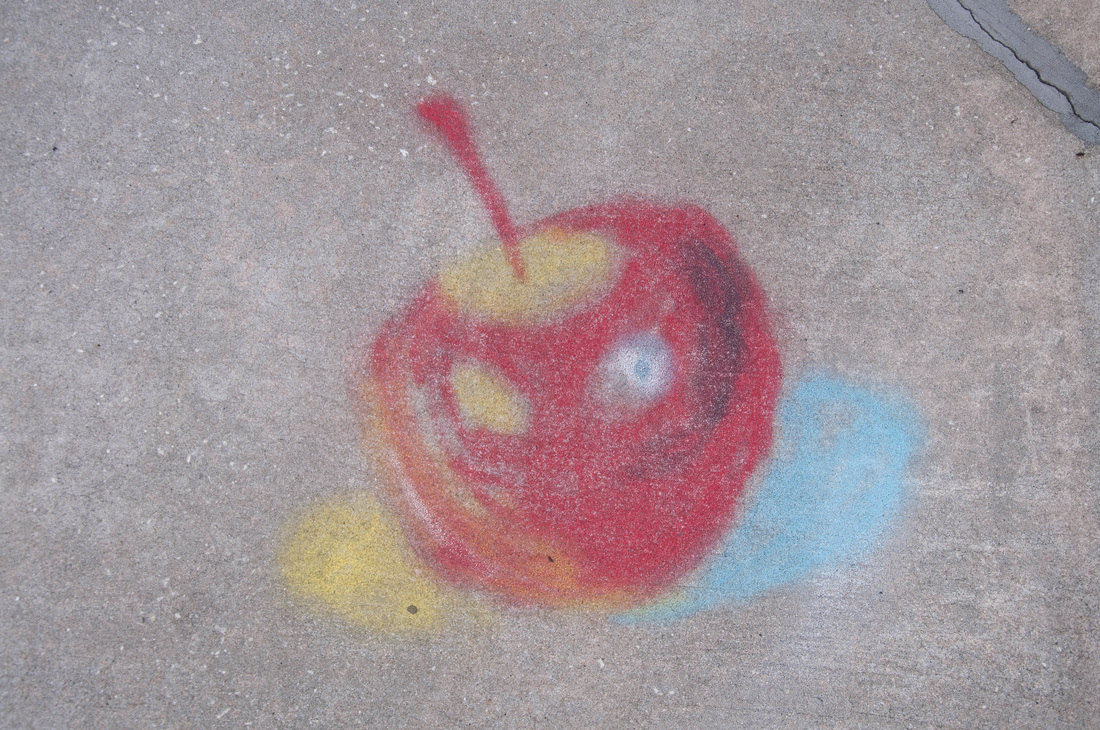
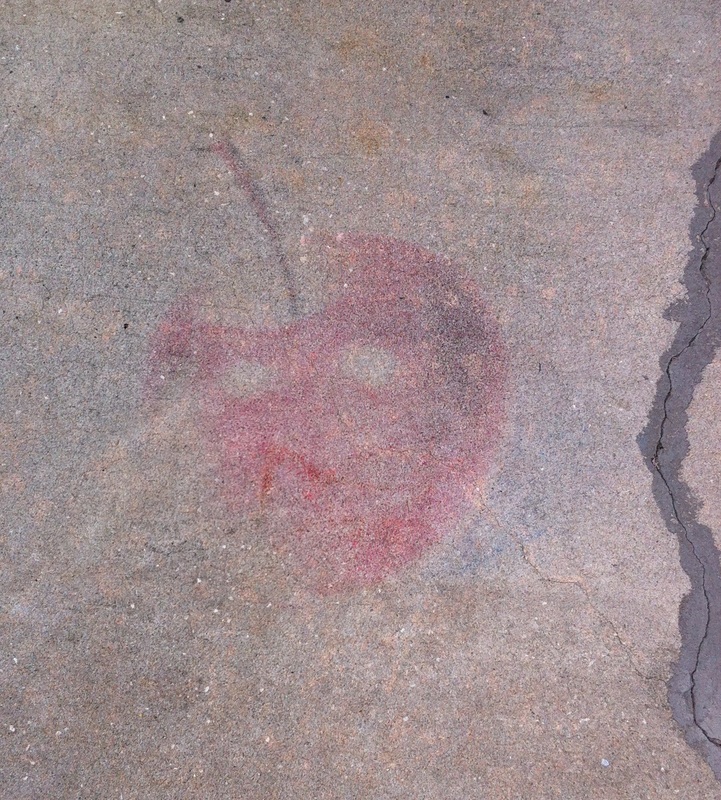
After the Rain
Washing it off
Scrubbing off the chalk
|
Jennifer Chaparro
Award Winning Street Painter & Chalk Artist Archives
September 2023
Archives
September 2023

|
| Amazing Street Painting |

















 RSS Feed
